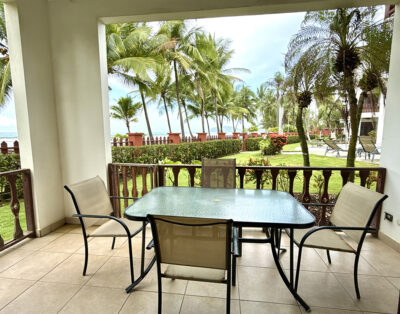


A Lower Fee Hosting Example That Protects Profit
A lower fee hosting example is easy to recognize once you follow the money from a guest’s reservation to your owner payout. A family books your beach condo for a week in Jacó, the calendar is blocked, the guest receives clear arrival details, and you keep more of the revenue you earned. That is the goal: more room in every booking for cleaning, maintenance, local support, and profit.
For independent vacation rental owners, fees are not a small line item. They affect how often you can refresh linens, replace an aging air conditioner, hire reliable cleaners, or reinvest in better listing photos. A lower-fee channel can help a property become a stronger business, not just a listing that stays busy.
What a Lower Fee Hosting Example Looks Like
Imagine you own a two-bedroom condo near the beach in Punta Leona. You set a seven-night rate of $1,750 for a holiday stay. The guest pays through a booking platform, and the platform processes the reservation, supports the booking flow, and sends the remaining payout to you after its transaction-based fee.
The difference is in what happens next. On a high-fee channel, a larger share of that $1,750 leaves your business before you cover your operating costs. On a lower-fee hosting channel, more of the booking value remains available for the work that makes guests want to return.
That extra margin can go toward professional cleaning between stays, a faster Wi-Fi plan for remote-working guests, a welcome guide with favorite local spots, or a reserve for repairs. It can also simply stay in your pocket. There is nothing small about keeping a healthier share of income across a full season of reservations.
The best lower fee hosting example is not one that promises a magical number. It is one that gives you clear costs, a straightforward payout structure, and tools that help you turn visibility into confirmed stays. Low fees matter most when they come with a booking experience guests can trust.
Lower Fees Should Support Better Hosting
A low transaction fee alone does not solve every hosting challenge. If a platform makes it difficult to publish a property, manage dates, answer booking questions, or update photos, the saved fee can disappear in lost time. The right channel should reduce unnecessary costs without adding unnecessary work.
For a vacation rental owner, a practical setup starts with free listing access. You should be able to create an account, add property details, upload quality images, set availability, and publish when the home is ready for guests. From there, reservations management should be easy to understand, especially if you manage a rental from another city or balance several properties at once.
A lower-fee model is especially useful for owners who have already invested in a great guest experience. A beachfront house with a private pool, a jungle cabin surrounded by wildlife, or an urban escape near restaurants has real value. You should not have to give up an outsized portion of each booking simply to put that value in front of travelers.
A simple booking math check
Before choosing where to list, calculate your net revenue rather than looking only at the nightly rate. Start with the total reservation amount. Subtract the platform fee, payment-related costs if applicable, cleaning, utilities, supplies, taxes, property management, and a maintenance reserve. The number left is what helps you judge whether the booking truly works for your business.
For example, a $1,750 reservation may look excellent at first glance. But if the channel takes a larger percentage, the payout may leave little flexibility after turnover costs and ongoing expenses. A lower-fee alternative can improve the result without forcing you to raise rates beyond what your market supports.
It depends, of course, on the demand your property receives and the services included. A platform with a broad audience may still have a place in your distribution strategy. But owners should compare the net payout, the quality of guest demand, and the support they receive instead of assuming the largest marketplace is automatically the best fit.
Where Owners Can Put the Savings
Keeping more from each reservation creates choices. The smartest choice will vary by property, but reinvestment often improves both reviews and repeat demand.
A condo in a walkable beach destination might benefit most from upgraded patio furniture, blackout curtains, or a better coffee setup. A larger villa may need stronger pool maintenance, extra towels, and a dedicated guest contact who can respond quickly. For a cabin outside a major town, clear driving directions and airport transfer coordination can remove a major source of traveler stress.
The value of lower fees becomes visible when guests feel the difference. A clean, well-stocked home with accurate information earns more confidence than a property that feels neglected. Better guest experiences can lead to stronger reviews, more direct word-of-mouth interest, and the confidence to price your home appropriately for peak dates.
Do not put every dollar of savings into upgrades, though. Vacation rentals need a reserve. Appliances fail, weather changes plans, and a busy season can create more wear than expected. Keeping part of each payout for the unexpected protects your ability to deliver a great stay when it matters most.
How to Build a Profitable Lower-Fee Listing
Start by presenting the home honestly and attractively. Use current photos that show the spaces guests care about: bedrooms, bathrooms, kitchens, outdoor areas, views, parking, and the path to the beach when relevant. A traveler choosing between properties in Costa Rica wants to understand both the feeling of the home and the practical details of the stay.
Write a description that answers real questions. Mention the number of guests the property suits, nearby beaches or attractions, air conditioning, pool access, Wi-Fi, and any features that make arrival easier. If the road requires a certain vehicle or the property has stairs, say so clearly. Transparency helps you attract guests who are a good match and avoid preventable issues later.
Then keep your calendar accurate. Nothing damages momentum like a reservation request for dates that are no longer available. If you use multiple channels, establish a routine for checking calendars and updating minimum stays, seasonal rates, and blocked owner dates.
Finally, decide who owns the guest communication. A fast, friendly answer before booking can be the reason a traveler chooses your home. After booking, guests need useful information without a flood of messages: check-in instructions, directions, house rules, local recommendations, and a reliable contact for questions. Clear communication protects your time and helps guests feel secure before they arrive.
When local support adds value
Some owners are happy to handle every message themselves. Others need help with turnovers, guest coordination, or on-the-ground property care. Neither approach is wrong. The right decision depends on where you live, how many homes you manage, and how hands-on you want to be.
For properties in Costa Rica’s coastal markets, local knowledge can be a meaningful advantage. Guests may need help understanding arrival routes, arranging transportation, or choosing activities near Jacó, Puntarenas, or Punta Leona. Support that feels personal and practical can make an unfamiliar destination feel welcoming from the first message.
MICASAS is built for this kind of opportunity: owners can list without an upfront listing cost, manage reservations through an owner-focused platform, and reach travelers seeking memorable homes in Costa Rica and beyond. The point is not to make hosting complicated. It is to help your property earn while giving guests a comfortable, dependable place to stay.
Choose Value, Not Just the Lowest Number
The cheapest option is not always the most profitable one. A very low fee may come with limited visibility, weak booking tools, poor support, or a guest experience that does not inspire trust. On the other hand, a higher fee can sometimes make sense when it delivers demand you cannot reach elsewhere.
Look for the balance. Your platform should make it simple to list and manage your home, show costs clearly, and help travelers book with confidence. It should also respect the fact that owners carry the real costs of preparing homes, maintaining them, and delivering the stays guests remember.
Your property has already earned its place in the market through its location, care, and character. Let each reservation do more than fill dates on a calendar. Let it fund the next improvement, support the people who help you host well, and bring you closer to the vacation rental business you want to build.