


Free Vacation Rental Listing That Pays Off
Paying to advertise a rental before you earn a single booking can feel backward. For many owners, a free vacation rental listing is the smarter starting point – especially when the goal is to test demand, protect margin, and get a property in front of real travelers without piling on fixed costs.
That sounds simple, but not every free listing model works the same way. Some platforms offer basic exposure and little else. Others give owners a practical path to publish a property, upload photos, manage reservations, and start building income while only paying when bookings actually happen. If you own a beach condo, a family vacation home, a jungle cabin, or a city stay in a high-interest market, that difference matters.
Why a free vacation rental listing appeals to owners
The biggest reason is obvious: lower risk. When you are not paying upfront just to appear on a marketplace, you keep more flexibility. You can test pricing, evaluate traveler demand, and see how your property performs before committing more of your revenue to distribution.
For independent hosts and small property managers, that can be the difference between steady growth and constant fee pressure. A paid listing model asks you to spend first and prove results later. A free listing model flips that. It gives you room to focus on the things that actually increase bookings – better photos, clearer descriptions, stronger response times, and smarter pricing.
There is also a cash flow advantage. Vacation rental income can be seasonal, especially in coastal destinations. If your booking calendar rises and falls with weather, holidays, and travel trends, reducing fixed marketing costs helps you stay profitable during slower periods.
That said, free is not automatically better. If a platform has low visibility, weak support, or clunky tools, saving on listing fees may cost you bookings. The real question is not whether a listing is free. It is whether the platform helps you turn visibility into revenue.
What to look for in a free vacation rental listing platform
A good platform should make it easy to go from idea to live listing. That means a clean signup process, simple property publishing tools, image uploads, calendar controls, and a reservation workflow that does not create more work than it saves.
Ease matters because owners rarely struggle with the concept of listing a property. They struggle with momentum. If setup feels long or technical, listings sit unfinished. If photo uploads are frustrating, owners rush through them. If calendar tools are confusing, availability gets messy fast.
The best free listing experience removes friction. You should be able to add your property, present it professionally, and start receiving inquiries or reservations without needing a full tech stack behind you.
Support also matters more than many owners expect. A marketplace can promise reach, but if you need help with listing quality, reservation handling, or operational questions, responsive support becomes part of your profitability. This is especially true for owners in regional vacation markets where traveler expectations are shaped by local logistics, not just by the property itself.
Free listing does not mean hands-off success
A free vacation rental listing gives you a lower-cost path to market, but it does not replace the fundamentals. Travelers still compare homes quickly. They look at photos first, scan amenities second, and make judgments about value in seconds.
If your listing has dim images, vague copy, or inconsistent pricing, free exposure will not fix it. The platform opens the door. Your presentation gets the booking.
Strong listings usually have three things working together. First, the photos feel trustworthy and complete. Guests want to see the bedroom setup, kitchen, bathrooms, outdoor areas, views, and anything that makes the stay special. Second, the description answers practical questions without sounding stiff. Third, the price matches the property, location, and season.
This is where many owners leave money on the table. They either underprice to get attention or overprice because they are emotionally attached to the property. Neither approach is sustainable. Smart pricing should reflect market demand, your operating costs, and the type of traveler most likely to book.
Regional focus can outperform bigger platforms
Large travel platforms offer scale, but scale is not always the same as fit. If your property is in a destination where travelers care about beach access, local transportation, surf conditions, family-friendly neighborhoods, or nearby attractions, a regionally focused marketplace can create a better match between listing and guest.
That is especially true in destinations like Costa Rica, where trip planning often includes more than choosing a place to sleep. Guests may want help understanding the area, comparing neighborhoods, arranging airport transfers, or finding a property that fits a very specific trip style – beachfront, walkable, secluded, luxury, or family-ready.
A platform that understands those patterns can position a listing more effectively than a mass-market site that treats every destination the same. For owners, that can mean better-quality inquiries, stronger conversion, and less pressure to compete only on price.
How owners should evaluate the fee trade-off
A free listing platform often earns revenue through booking-based fees instead of charging upfront. For many hosts, that is a fair trade. You pay when the property performs, not before.
Still, owners should look closely at the full economics. A low upfront cost is attractive, but it should come with enough visibility and functionality to justify the transaction fee. Think about the total picture: how much control you have over your listing, how easy it is to manage reservations, how responsive support is, and whether the platform helps you maintain healthy margins.
This is where lower-fee marketplaces stand out. If you can access distribution, listing tools, and operational support while keeping more of each booking, your business has more room to grow. That extra margin can go toward upgrades, cleaning standards, better photography, or simply stronger net income.
How to make a free listing actually perform
Owners who get results tend to approach listing setup like merchandising, not administration. They are not just filling boxes. They are making a fast, clear case for why a traveler should choose this property.
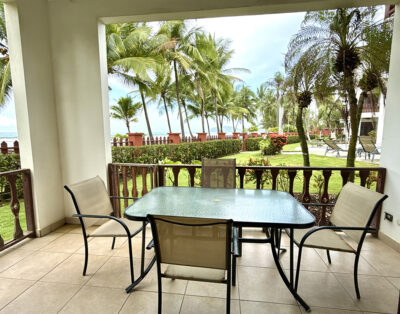
Start with your lead image. It should sell the stay in one glance. Sometimes that is an ocean-view balcony at sunset. Sometimes it is a bright open living room that signals comfort for families. Sometimes it is the private pool, the jungle backdrop, or the short walk to the beach. Pick the image that creates immediate desire and sets accurate expectations.
Your headline and description should then do two jobs at once. They should create interest and reduce uncertainty. Mention what makes the stay memorable, but also be direct about sleeping capacity, location, standout amenities, and who the home fits best. A romantic villa and a family-friendly condo are marketed differently for a reason.
Availability management is just as important. If travelers find a property they love but run into outdated calendars or slow responses, they move on. Speed builds trust. Clear policies build trust too. When guests know what to expect, they are more likely to book with confidence.
Where a free vacation rental listing fits in a growth strategy
For new hosts, free listing is often the most sensible first move. It lowers the barrier to entry and gives you a way to learn what travelers respond to. You can test photos, pricing, and property positioning without taking on unnecessary upfront expense.
For experienced owners, it can be a margin strategy. Instead of relying only on high-fee channels, you diversify into platforms that let you keep more of the booking value. That can improve profitability even if your nightly rate stays the same.
For small property managers, it can become part of a broader distribution mix. A lower-fee, easier-to-manage channel is not just about saving money. It is about building a more resilient booking business with fewer fixed costs and better control.
For owners in beach and leisure markets, this approach is especially practical. Travelers shopping for dream stays want great photos, strong location details, and an easy booking path. If a platform delivers those basics well and keeps fees reasonable, free listing is not just a perk. It is a real business advantage.
MICASAS reflects that model well by giving owners a simple way to register, upload images, publish properties, and manage reservations while keeping the path to revenue straightforward.
The best part is that a free listing keeps your next move flexible. You can start lean, learn quickly, and grow from actual booking performance instead of guesswork. For owners who want more visibility without giving away too much margin, that is a strong place to begin – and often a better place to stay.


Pingback: A Lower Fee Hosting Example That Protects Profit - MICASAS