

Short Term Rental Owner Guide for More Bookings
A beach condo with a great view can still sit empty if the listing feels vague, the photos are dark, or the price misses what travelers expect. This short term rental owner guide is built for owners who want more than occasional reservations. It is for people ready to turn a vacation home, investment property, or managed portfolio into a dependable source of rental income.
The opportunity is real in destinations like Jacó, Punta Leona, and Puntarenas, where families, couples, and friend groups actively look for space, comfort, and a memorable setting. But strong results do not come from publishing a listing and hoping for the best. They come from a property that is easy to trust, easy to book, and consistently well managed.
Start With a Stay Worth Booking
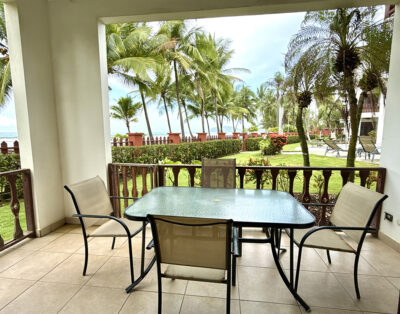
Before you set a nightly rate or write a headline, look at the experience from your guest’s point of view. Why would someone choose your home over a hotel room or another rental nearby? Your answer may be a private pool, walkable beach access, a quiet jungle setting, room for a large family, or a balcony with spectacular views.
Focus on the details that solve real travel problems. Families appreciate a stocked kitchen, washer and dryer, high chair, and enough sleeping space to avoid awkward arrangements. Groups care about bathrooms, parking, outdoor areas, and clear rules. Remote workers may book longer stays when Wi-Fi is reliable, the workspace is comfortable, and the listing states those facts plainly.
A thoughtful setup does not require luxury finishes in every room. Cleanliness, working essentials, comfortable beds, cold air conditioning where expected, and an honest description usually matter more than trendy decor. Spend first on improvements guests will notice and mention in reviews.
Get the basics right before publishing
Walk through the home as if you are arriving after a long flight. Check that the lock works, lights are labeled or intuitive, hot water is available, and guests can find towels, trash bins, Wi-Fi details, and emergency contacts without calling you.
Before accepting your first reservation, confirm these four areas are ready:
- Safety equipment, including smoke detectors, fire extinguisher, first-aid supplies, and clear emergency information.
- Reliable cleaning and inspection procedures between every stay.
- A simple maintenance plan for issues such as AC failures, plumbing leaks, pests, and internet outages.
- Local compliance, including permits, taxes, condo rules, occupancy limits, and any required insurance.
Local rules can change by municipality or community, so do not assume a neighbor’s setup is automatically compliant for your property. A few hours of due diligence can protect a much larger investment.
Short Term Rental Owner Guide to Pricing With Purpose
Pricing is not about choosing the highest number you can imagine for a holiday weekend. It is about balancing occupancy, revenue, guest expectations, and the costs of operating the home. A full calendar at an unsustainably low rate can leave you exhausted and underpaid. A premium rate without premium value can create long gaps between reservations.
Start by reviewing comparable properties with similar bedrooms, location, amenities, condition, and guest capacity. A two-bedroom condo near the beach should not be benchmarked against a secluded luxury villa simply because both are in the same region. Look at weekday and weekend patterns, low and high seasons, and special demand periods such as school breaks, festivals, and major holidays.
Your first price is a test, not a permanent decision. Track how many travelers view the listing, inquire, and book. If you receive attention but few bookings, the total cost may be too high, the listing may not be communicating value, or minimum-stay requirements may be too restrictive. If dates fill immediately far in advance, you may have room to raise rates.
Be transparent about cleaning fees, extra guest fees, deposits, and taxes. Guests are comfortable paying for a great home, but surprises at checkout can cause them to abandon a booking. Clear pricing builds confidence before a conversation even begins.
Use minimum stays strategically
A two- or three-night minimum may make sense for a busy beach weekend because it reduces turnover work. During quieter periods, a one-night or two-night minimum can help capture last-minute demand. The right policy depends on your cleaning costs, local demand, and how much operational effort each reservation creates.
Longer stays can also be valuable. A week-long booking may produce less nightly revenue than several short stays, yet it can reduce cleaning, messaging, vacancy risk, and wear from frequent check-ins. Evaluate net income, not just the rate on the calendar.
Make Your Listing Feel Clear and Credible
Travelers decide quickly whether a property feels right. Great photos earn attention, but accurate information earns reservations and protects your reviews. Use bright, current images that show the exterior, living areas, bedrooms, bathrooms, kitchen, view, pool, and important features such as parking or a dedicated workspace.
Do not hide limitations. If the property is on a hill, has stairs, shares a pool, or requires a four-wheel-drive vehicle during certain seasons, say so. The right guest will appreciate the clarity. The wrong guest can become a costly complaint.
Your description should lead with the strongest reason to stay, then answer practical questions. State the location in useful terms, such as proximity to the beach, restaurants, surf spots, or town center. Explain who the home suits best. A family-friendly condo and a late-night group retreat need different messaging and different house rules.
Keep the listing updated after every meaningful change. New furniture, improved internet, a renovated bathroom, or airport transfer coordination can make your home more competitive. On the other hand, an amenity that no longer works should be removed immediately.
Run Guest Communication Like a Hospitality Business
Fast, friendly communication is one of the easiest ways for independent owners to stand apart. Travelers may be deciding among several homes, especially when dates are close. Respond clearly, answer the question asked, and avoid making promises you cannot keep.
A good guest journey begins before arrival. Send practical directions, parking instructions, check-in details, Wi-Fi information, house rules, and a contact method for urgent issues. For visitors new to Costa Rica, helpful guidance on transportation, groceries, beaches, or local conditions can turn a standard trip into an unforgettable stay.
During the reservation, respect the guest’s space while remaining available. A brief check-in after arrival can identify issues before they become negative reviews. After checkout, thank guests and invite honest feedback. Review patterns closely. One complaint may be personal preference. Repeated comments about weak Wi-Fi, uncomfortable mattresses, or confusing arrival instructions point to a business problem worth fixing.
Protect Margin as You Grow
Revenue matters, but so does what remains after platform fees, cleaning, maintenance, utilities, supplies, taxes, and management costs. Owners sometimes focus on headline booking totals while overlooking the expense of acquiring each reservation.
Choose distribution channels that match your market and leave room for profit. A regional platform can be especially valuable when it understands the destinations, traveler expectations, and local property types you serve. MICASAS gives owners a lower-fee path to publish listings, manage reservations, and reach travelers searching for beach homes, condos, villas, and distinctive stays.
As bookings increase, document your operations. Keep cleaning checklists, inventory counts, maintenance contacts, and message templates in one place. This makes the business easier to manage yourself and easier to hand off if you add a co-host, cleaner, or local manager.
Build for Repeat Stays, Not Just One Reservation
The strongest rental businesses earn trust over time. A guest who has a smooth arrival, sleeps well, enjoys the location, and gets quick help when needed is more likely to return or recommend the property. That kind of growth costs less than constantly replacing disappointed guests.
Set realistic expectations, protect the home with fair rules, and keep improving the details that make travel easier. Every well-managed stay gives your property another chance to become someone’s favorite place to come back to.