
How to Photograph Rental Interiors That Book
A guest scrolling for a Jacó beach condo or a peaceful jungle cabin makes a fast decision: can I picture my group relaxing here? Learning how to photograph rental interiors is not about making a property look like a magazine set. It is about giving travelers a clear, inviting view of the comfort, space, and small conveniences that can turn an interested browser into a confirmed booking.
Great photos also set the right expectations. When your listing accurately shows the room layout, natural light, views, and amenities, guests arrive knowing what they booked. That helps build trust, encourages stronger reviews, and supports repeat reservations.
Start With a Guest’s First Impression
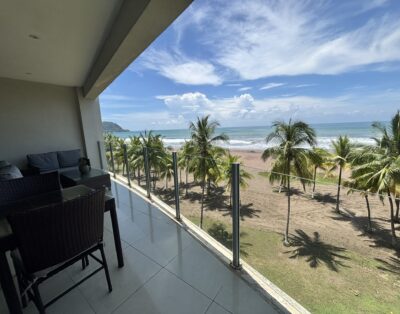
Before picking up a camera, walk through the home as if you have just arrived with luggage after a long flight. What would make you feel immediately comfortable? A bright living room, a generous dining table, a cool bedroom, a spotless kitchen, or a balcony with spectacular ocean views may be the detail that sells the stay.
Choose the features that make your rental different from the next listing. In a Costa Rica vacation property, that may be wide-opening doors to a terrace, air conditioning in the bedrooms, a well-equipped kitchen for families, or a workspace with dependable room to settle in. Photograph the experience of staying there, not only the furniture.
Clean and prepare every room before the shoot. Put away personal photos, visible cords, cleaning supplies, half-used toiletries, and excess decor. Fluff cushions, straighten chairs, make beds tightly, and empty trash bins. A home should feel lived-in enough to be welcoming but never cluttered.
How to Photograph Rental Interiors With Natural Light
Natural light is your best starting point. Schedule the shoot when each room is bright without being blasted by direct sun. In many tropical homes, early morning or later afternoon creates softer, more flattering light than midday, especially in rooms facing the coast.
Open curtains and blinds fully when the outdoor view is part of the property’s appeal. If a window is much brighter than the room, however, sheer curtains can soften the contrast. You want guests to see both the beautiful view and the interior details, rather than a white rectangle where the window should be.
Turn on lamps and overhead lights if they add warmth or reveal dark corners. Watch for mixed color temperatures: a yellow lamp beside blue daylight can make a room look unnatural. If possible, use bulbs with similar color temperatures throughout the space. For a polished result, turn on all matching fixtures or leave them off rather than creating a patchy mix.
Avoid using your camera’s direct flash. It creates harsh shadows, shiny surfaces, and an unwelcoming nighttime look. A tripod, a brighter exposure setting, and steady hands are usually better choices for interior photography.
Keep Vertical Lines Straight
Tilted walls and leaning door frames make even a beautiful rental feel rushed. Hold your phone or camera level, roughly at chest height, and keep it parallel to the floor. Use the grid setting on your phone screen to align walls, counters, and windows.
Photographing from too high can make a room feel flat. Shooting too low can exaggerate furniture and hide the overall layout. Chest height is a reliable middle ground for most living rooms, bedrooms, and kitchens.
Show the Space, Not Just One Pretty Corner
Every major room deserves at least one wide image that helps travelers understand its size and flow. Stand in a doorway or corner when possible, then photograph toward the strongest feature: the seating area, bed, dining space, or view. Do not squeeze yourself so tightly into a corner that the lens distorts the room.
Wide-angle settings are useful, but use them carefully. A slightly wider view can make a compact condo feel open and easy to navigate. An extreme wide angle can make rooms appear much larger than they are, bend cabinets and walls, and create disappointment on arrival. Honest photos perform better for the long term because they attract guests whose expectations match the home.
Take more than one angle in rooms that matter most. A living room image may show the sofa facing the television, while another shows how it connects to the dining area and balcony. In a bedroom, include a wide shot of the bed and an image that makes storage, an ensuite bathroom, or a private terrace clear.
For smaller spaces such as bathrooms, laundry rooms, or entryways, one clear, well-lit image is often enough. The goal is complete information, not filling your gallery with nearly identical photos.
Style for Comfort Without Overstaging
A rental should look ready for a real vacation. Set the dining table simply if it helps show its size, add fresh towels in the bathroom, and use neatly folded throws or a few cushions to bring warmth to a seating area. Fresh tropical greenery can work beautifully when it is available, but avoid elaborate staging that guests will not find when they arrive.
Be especially thoughtful with bedrooms. Crisp linens, uncluttered nightstands, and curtains arranged evenly instantly improve the photo. If your property sleeps families or groups, make every sleeping setup visible. A bunk room, sofa bed, or second twin bed should never be a surprise buried in the description.
Kitchens should look practical and inviting. Clear counters, but leave enough visible to demonstrate that guests can cook there. A coffee maker, clean cookware, a blender, or a water dispenser may be meaningful to travelers planning a week-long stay. If an item is not consistently available, do not feature it.
Capture the Details That Answer Booking Questions
Your photo gallery should quietly answer the questions guests ask before they send a message. Can our group eat together? Is there room for luggage? Is the shower modern and clean? Is the balcony private? Can we work from the property? Does the living area have air conditioning?
A strong interior gallery typically includes these distinct views:
- The main living area from one or two useful angles
- Every bedroom, including alternate sleeping arrangements
- The kitchen and dining area
- Each bathroom, photographed cleanly and clearly
- Workspaces, laundry facilities, storage, or other standout conveniences
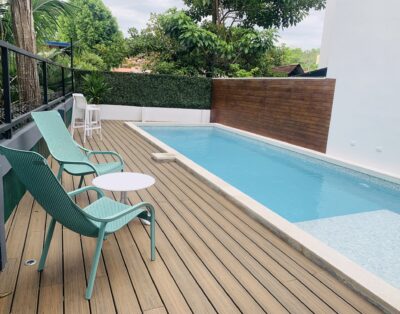
- Indoor-outdoor connections, such as balconies, patios, or doors opening to a pool
If you manage multiple properties, follow the same room order in every listing. This makes your portfolio easier for guests to browse and helps your operations team spot missing images before a property goes live.
Edit for Accuracy, Then Put Images in a Smart Order
Editing should polish a photo, not rewrite reality. Adjust brightness, straighten vertical lines, correct color, and crop out distractions. Resist heavy filters, intense saturation, or edits that make the ocean, walls, or daylight look unlike the actual property. Travelers value a dream stay, but they also value honesty.
Lead with your single strongest image. For many rentals, that is a bright living room with an ocean view, a stylish bedroom, or a welcoming terrace that shows the vacation lifestyle. Follow it with the rooms that help guests understand the home: living area, kitchen, bedrooms, bathrooms, and outdoor connections.
Do not make travelers hunt for essential information. If the home has a compact kitchen, a steep stairway, or a bedroom accessed through another room, show it clearly. The right guest will appreciate the transparency, while the wrong-fit guest can make a better choice before booking.
Use Your Phone Well, or Know When to Hire Help
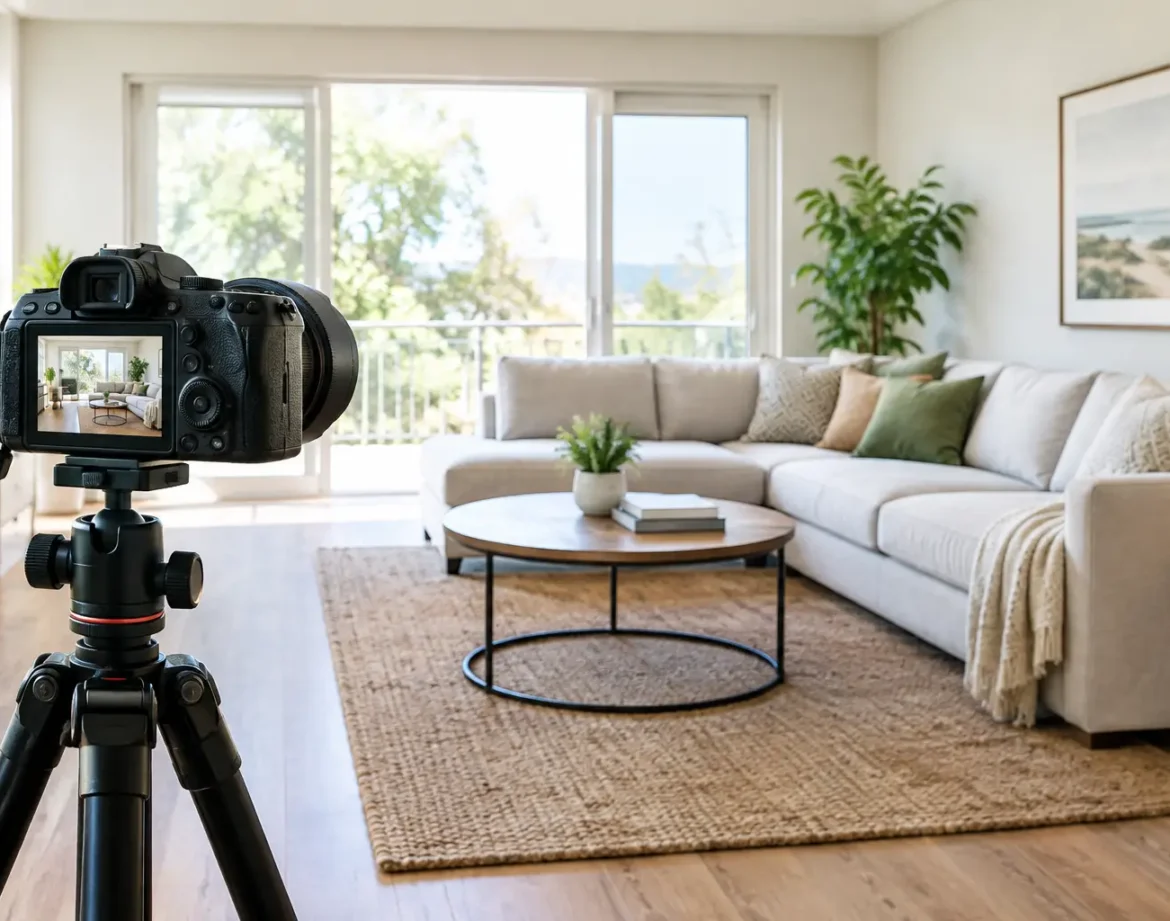
A current smartphone can produce excellent rental photos when there is good light, a clean lens, and a steady hand. Use the standard camera lens rather than an extreme ultra-wide setting, tap to focus on the room’s central area, and take several frames so you can select the sharpest result later. A small tripod is a worthwhile, affordable upgrade for dim rooms.
Professional photography is worth considering for luxury villas, larger homes, view-driven properties, or listings in a competitive market. A professional can handle difficult lighting, panoramic views, and tighter spaces with more consistency. The trade-off is cost, but polished photography can be an investment when it helps the right property earn more attention and higher-value bookings.
Whether you shoot the images yourself or bring in a pro, refresh photos whenever you renovate, replace furniture, add amenities, or improve an outdoor space. Current images protect guest confidence and keep your listing working as hard as your property does.
A welcoming home deserves photos that make its best moments easy to see. Take the time to show guests where they will sleep, gather, cook, and unwind, then use your MICASAS listing to put that experience in front of travelers ready to plan an unforgettable stay.