

How to Increase Occupancy Rates Fast
A beautiful vacation rental can still sit half-empty if the listing does not convert and the guest experience does not hold up. If you are wondering how to increase occupancy rates, the answer is rarely one dramatic change. It is usually a series of smart improvements that make your property easier to find, easier to trust, and easier to book.
For owners in beach markets, city stays, and high-interest leisure destinations, occupancy is not just about filling nights. It is about filling the right nights at the right rate without creating more work than the revenue is worth. A full calendar looks great, but profitable occupancy comes from balancing price, presentation, seasonality, and operations.
How to increase occupancy rates starts with conversion
Many hosts assume low occupancy means low demand. Sometimes that is true. More often, demand exists but the listing is losing travelers before they book. Guests compare properties quickly. In a market like Costa Rica, where travelers may be choosing between a beachfront condo, a jungle cabin, or a villa with spectacular views, small gaps in your listing can cost you reservations.
Start with the basics that shape first impressions. Your lead photo matters more than most hosts realize. If the first image is dark, cluttered, or focused on the wrong room, guests may never click. The opening lines of your description matter too. Travelers want to know what kind of stay they are booking right away – walk to the beach, private pool, family-friendly layout, ocean-view balcony, or close access to restaurants and tours.
Strong occupancy usually follows strong conversion. That means better photos, clearer copy, accurate amenities, and an easy path to booking. If your listing creates hesitation, guests move on.
Price for demand, not emotion
One of the fastest ways to improve occupancy is to get more realistic about pricing. Owners often set rates based on mortgage goals, renovation costs, or what a nearby property charged during peak season. Guests do not book based on your spreadsheet. They book based on perceived value in the current market.
That does not mean racing to the bottom. Lowering your rate blindly can fill nights while shrinking profit. The better move is dynamic pricing with common sense behind it. Charge more when demand is strong, local events are driving traffic, or your dates are limited and desirable. Pull rates down when you are too far above comparable listings or when open dates are approaching and empty nights become more expensive than a slight discount.
Length-of-stay rules also affect occupancy. A five-night minimum may look efficient on paper, but it can block shorter bookings that would otherwise fill calendar gaps. In shoulder season, flexibility often beats rigidity. During holidays, stricter minimums may still make sense. It depends on your market, your cleaning turnover costs, and how far in advance travelers tend to book.
Photos sell the stay before guests read a word
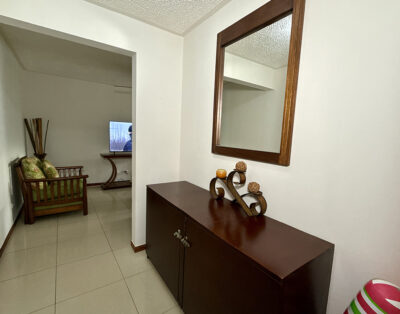
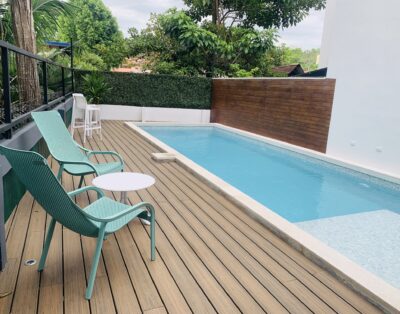
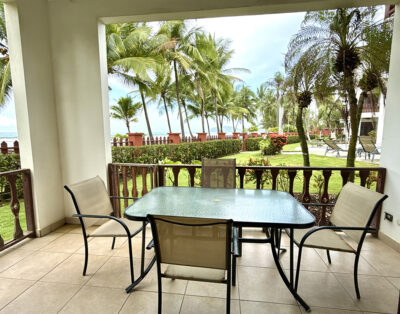
Vacation rentals are visual products. Travelers picture themselves having coffee on the balcony, walking to the beach, or gathering with family after a day outside. If your photos do not support that vision, occupancy suffers.
Professional photography is one of the highest-return investments most hosts can make. Wide, bright, honest images outperform rushed phone shots almost every time. The keyword is honest. Overedited photos that make spaces feel larger or brighter than reality may increase clicks, but they can also create disappointment, weaker reviews, and fewer repeat bookings.
Show the spaces guests care about most first. In many vacation rentals, that means the view, pool, living area, primary bedroom, kitchen, and outdoor spaces. If your property is near the beach, show how close it feels. If it is in a gated community, a surf town, or a walkable urban area, capture the experience as much as the room.
Make your listing easier to say yes to
A high-performing listing answers questions before guests ask them. It does not hide limitations, and it does not force travelers to guess.
Be specific with sleeping arrangements. “Sleeps 8” is less helpful than “2 king beds, 2 twin beds, and a queen sofa bed.” Mention practical details that reduce friction, such as air conditioning in all bedrooms, reliable Wi-Fi for remote work, parking, washer and dryer access, self check-in, elevator access, and family-friendly features.
This is especially important in destination markets. Guests booking a beach house in Jacó or a condo near Punta Leona are not just buying a place to sleep. They are planning transportation, meals, excursions, and group logistics. The more clearly you explain location, access, and amenities, the more comfortable they feel moving forward.
Reviews also play a major role here. If occupancy is lagging and you only have a few reviews, your early goal should be momentum. A slightly more competitive rate for the next handful of bookings can be worth it if it helps you earn recent, positive reviews that improve long-term performance.
Speed matters more than many hosts expect
Travelers often send multiple inquiries or compare several listings at once. Slow replies lose bookings. Even a great property can get passed over if another host answers first with clarity and confidence.
Fast response times signal reliability. They also reduce drop-off during the booking process. If a guest asks whether the pool is private, whether airport transfers are available, or whether late check-in is possible, they are looking for reassurance. A quick, helpful response keeps the booking alive.
Operationally, this means using tools and workflows that make communication easier. Saved responses can help, but they should still sound human. Good hosts do not just answer questions. They remove uncertainty.
Calendar discipline can raise occupancy without lowering standards
Sometimes occupancy problems come from calendar management rather than marketing. Blocked dates, outdated availability, and inconsistent minimum stays quietly reduce bookings.
Review your calendar often. Look for stranded one- or two-night gaps between reservations. Check whether checkout and check-in rules are unnecessarily limiting turnover. If demand patterns have changed, your settings should change too.
It also helps to open availability far enough in advance. Some travelers plan months ahead, especially families and holiday groups. Others book last minute. You need room for both. A well-managed calendar captures early planners while still leaving flexibility to move rates for close-in dates.
Better guest experience leads to better occupancy
Hosts sometimes treat occupancy as a top-of-funnel problem only. But the guest experience after booking affects future occupancy just as much. Reviews, repeat visits, and word-of-mouth all come from what happens on the ground.
Cleanliness is non-negotiable. So is accuracy. If the listing promises a dream stay with spectacular views, guests should arrive and feel that promise was kept. Small touches matter too – clear check-in instructions, local recommendations, dependable support, and quick issue resolution all help protect reviews.
This is where a service-minded approach gives owners an edge. When guests feel cared for, they are more likely to leave the kind of review that boosts conversion for the next traveler. In competitive markets, trust compounds.
Market the experience, not just the unit
A vacation rental listing should describe more than square footage and furniture. Guests book around emotions and plans. They want the weekend with friends, the family beach trip, the quiet work retreat, or the sunset dinners after a day outside.
That does not mean writing fluffy copy. It means connecting the property to the stay it makes possible. A condo with a balcony becomes a morning coffee spot with ocean air. A jungle cabin becomes a private base for couples who want nature without giving up comfort. An urban apartment becomes the easy home base near dining and nightlife.
This approach works especially well in destination-driven regions. Travelers choosing a stay in coastal Costa Rica are often deciding between experiences as much as properties. Listings that communicate both tend to win more bookings.
How to increase occupancy rates without hurting margins
The best strategy is rarely to slash prices and hope for volume. Occupancy should support profit, not replace it. If discounting leads to harder turnovers, higher wear and tear, and weaker net income, you have not solved the real problem.
A better approach is layered improvement. Tighten pricing. Upgrade photos. Rewrite the listing. Respond faster. Improve review generation. Adjust stay rules based on season. Make operations easier for guests. Each change may seem small, but together they create a stronger booking engine.
For many owners, distribution also matters. Relying on one channel can limit visibility and leave too much margin on the table. A platform like MICASAS can help hosts reach travelers looking for memorable stays in sought-after regional destinations while keeping fees more owner-friendly. That matters when every booked night needs to work harder.
Occupancy grows when guests trust what they see, feel good about the value, and have a simple path to reserve. If your calendar is quieter than it should be, that is good news in a way. It means there is usually room to improve, and the next booking often comes from getting the fundamentals right.