

Holiday Rental Occupancy Guide for More Bookings
A vacant weekend in Jacó or Punta Leona is not always a demand problem. Often, it is a timing, pricing, or presentation problem that can be fixed before the next traveler starts searching. This holiday rental occupancy guide is built for owners and small property managers who want to turn more available nights into profitable, memorable stays without giving away too much of their margin.
Occupancy is more than a number on a dashboard. It reflects how well your home matches the travelers who are ready to book, from families planning a beach break to couples looking for a private villa with spectacular views. The goal is not to fill every night at any price. The goal is to attract the right reservations at rates that make your property worth operating.
Start With a Realistic Occupancy Target
A healthy occupancy target depends on your location, property type, amenities, season, and operating costs. A beachfront condo near dining and surf breaks may attract steady short stays. A jungle cabin or large luxury home may book fewer nights but earn more from longer, higher-value reservations.
Begin by reviewing the past 12 months. Track booked nights, open nights, average nightly rate, length of stay, booking lead time, cancellations, and revenue after platform and operating costs. Then compare high season, shoulder season, and rainy-season performance separately. One annual average can hide the fact that your property is doing very well in peak months but sitting empty during periods when a different strategy is needed.
For a new listing, avoid setting a target based only on a top-performing home nearby. A property with years of reviews, direct-repeat guests, and professional photography has an advantage. Set a practical first-year goal, learn what converts, and raise rates as your calendar and reputation strengthen.
Make Your Listing Answer the Booking Question
Travelers make quick decisions, especially when comparing several rentals on a phone. Your listing must answer their immediate question: can I picture my group enjoying this home?
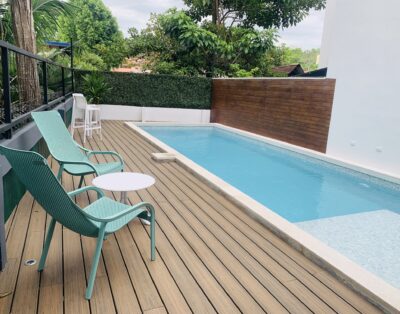
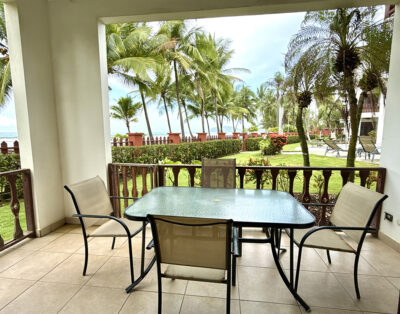
Lead with your strongest visual advantage. If guests can walk to the beach, show the beach access. If the pool overlooks the Pacific, make that image impossible to miss. If the home is designed for extended families, photograph the gathering spaces, bedrooms, outdoor dining area, and practical details that make group travel easier.
Your description should be specific rather than decorative. “Beautiful home” is pleasant but vague. “Three-bedroom condo with an ocean-view balcony, full kitchen, shared pool, and a five-minute walk to the beach” gives a traveler reasons to book. Be equally clear about what is not included, such as stairs, limited parking, shared amenities, or a road that may require a suitable vehicle. Accurate expectations protect reviews and reduce last-minute cancellations.
Photograph for confidence, not just clicks
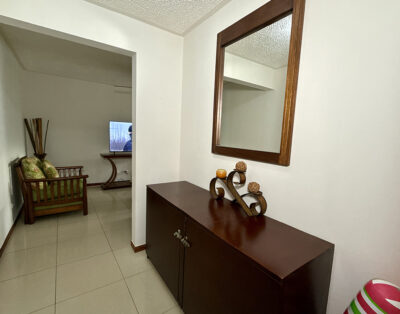
Photos generate interest, but they also set expectations. Include bright, current images of every sleeping area, bathroom, kitchen, living room, exterior, and key amenity. Show the view from the property, not just a nearby attraction. If the home has fast Wi-Fi, a workspace, air conditioning, gated access, or a washer and dryer, make those benefits visible and easy to find.
Update photos after renovations, furniture changes, or landscaping work. A guest who arrives to find a different space than the one advertised is unlikely to become a repeat guest, even if the home is comfortable.
Price for Demand, Not for Pride
The fastest way to damage occupancy is to keep one rate on the calendar all year. Costa Rica travel demand changes around holidays, school breaks, surf seasons, local events, and weather patterns. Your pricing should change with it.
During high-demand dates, protect your rate. Travelers who need a holiday week or a prime beachfront location often value availability and convenience more than a small discount. Set a reasonable minimum stay when turnover demand is high, particularly for larger homes where short bookings can create extra cleaning and coordination work.
During slower periods, flexibility tends to outperform stubborn pricing. This does not always mean cutting rates deeply. Try a modest weekday adjustment, a weekly discount, or a value-added offer such as airport transfer coordination, an earlier check-in when available, or a reduced cleaning cost for longer stays. A five-night reservation at a slightly lower nightly rate can be more profitable than an empty calendar, especially once fixed expenses are considered.
Watch booking pace as closely as your competitors’ rates. If similar properties are booking 30 to 60 days ahead and yours remains open, review the full offer: rate, photos, amenities, rules, and availability. If you are already receiving strong interest far in advance, you may be priced too low.
Use minimum stays strategically
Minimum-stay rules can raise efficiency, but they can also create hard-to-fill gaps. A three-night rule may make sense for a busy holiday period, while a two-night rule may capture more weekend travelers in the shoulder season. Review your calendar for one-night gaps between reservations and consider whether a targeted exception is more valuable than leaving the night vacant.
For long weekends and major holidays, a longer minimum stay can reduce turnovers and protect revenue. For ordinary midweek dates, more flexibility often wins. The right rule depends on cleaning costs, staff availability, and the type of traveler your property attracts.
Reduce Friction Before Guests Ask
A traveler who has to message three times to understand where the property is, whether parking is available, or how payment works may choose another option. Clear details build trust and improve conversion.
Keep your calendar current. Respond quickly to inquiries. Explain check-in, access, house rules, and the neighborhood in plain language. Mention practical travel details that matter in coastal destinations, including driving time, road conditions where relevant, grocery access, beach distance, and whether a car is recommended.
The pre-arrival experience matters, too. Send directions that work offline, arrival instructions, Wi-Fi details, emergency contacts, and a short local guide before the guest lands. Travelers remember the relief of arriving at a well-prepared home after a long flight. That relief becomes better reviews, referrals, and future bookings.
For owners who prefer a lower-fee channel and straightforward reservation tools, MICASAS can help put a professionally presented property in front of travelers looking specifically for Costa Rica and regional vacation stays. But distribution works best when the home itself is ready to convert interest into confidence.
Earn Reviews That Fill Future Dates
Reviews are an occupancy engine. They reassure first-time guests that your photos are accurate, your property is clean, and help is available if something goes wrong. You cannot control every review, but you can control many of the moments that shape one.
Cleanliness is non-negotiable. So are working essentials: cold air conditioning where promised, reliable hot water, stocked basics, functioning locks, clean linens, and accurate Wi-Fi information. If an issue occurs, respond with urgency and honesty. A delayed repair is frustrating; silence is worse.
After checkout, thank guests and invite honest feedback. Do not pressure them for a perfect rating. Instead, create a stay that genuinely deserves a recommendation. If several guests mention the same inconvenience, treat it as operational data. A better mattress, clearer directions, blackout curtains, extra beach towels, or a faster maintenance response can improve both reviews and occupancy.
Build Demand Beyond Peak Season
Shoulder season is where thoughtful hosts separate themselves. Rather than marketing only a generic beach vacation, match your property to reasons people travel at that time. Couples may want privacy, sunsets, and local dining. Remote workers may need dependable Wi-Fi, a dedicated desk, and a monthly rate. Families may respond to spacious kitchens, pools, laundry, and easy access to calm beaches.
Longer stays can stabilize the calendar, but they come with trade-offs. A monthly discount may reduce your average nightly rate, yet it can lower turnover costs and create dependable revenue. Make sure your pricing accounts for utilities, deep cleaning, wear and tear, and any included services before offering an extended-stay deal.
Also look at the calendar as a whole. A three-night booking can be valuable if it connects two otherwise vacant periods. A one-week stay may be less attractive if it blocks a higher-value holiday reservation. There is no universal answer, which is why hosts who check availability and booking pace weekly make better decisions than those who set a calendar once and hope for the best.
Track the Numbers That Tell You What to Fix
Occupancy alone cannot tell you whether your rental is succeeding. Pair it with average daily rate and total revenue per available night. If occupancy rises because rates were discounted too heavily, profitability may fall. If rates rise but the calendar empties, the market may be telling you that the value needs to be clearer.
Review inquiry-to-booking conversion, cancellation patterns, average length of stay, and review themes each month. A low conversion rate can point to weak photos, unclear fees, slow responses, or pricing that does not match the home. Repeated short stays may suggest an opportunity to adjust minimum nights. Strong bookings from one traveler type can guide future listing updates.
Your next open dates are an opportunity, not a verdict. Refresh the listing, check the price against real demand, remove booking friction, and give travelers a clear reason to choose your home. Small improvements made consistently can turn a few empty nights into the beginning of a stronger, more profitable rental year.