

Costa Rica Villa Safety Guide for Smart Stays
A private villa can be the best part of a Costa Rica trip: your own pool, room for the whole group, and a front-row seat to jungle or ocean views. This Costa Rica villa safety guide helps you keep that freedom while making thoughtful choices before you book, when you arrive, and throughout your stay.
Start With a Villa You Can Verify
Safety begins before the vacation does. Choose a property listing with clear photos, detailed amenities, recent guest feedback, and responsive communication. A trustworthy host or manager should be able to answer practical questions about the home, access, parking, the neighborhood, pool features, and who to contact if something goes wrong.
Look closely at the location, not just the destination name. A villa outside Jacó, Punta Leona, or Puntarenas may offer quiet and spectacular views, but it can also mean steep roads, limited lighting, or a longer drive to groceries and medical care. That is not necessarily a reason to avoid it. It simply means your transportation plan should match the setting.
Before paying, confirm the total price, cancellation terms, check-in process, and payment channel. Keep booking messages and receipts in one place. Avoid arrangements that pressure you to pay through an unverified method or move the conversation away from the booking platform without a clear reason.
When you book through a regionally focused marketplace such as MICASAS, use the listing details and messaging tools to get answers early. A few direct questions can prevent an avoidable surprise on arrival.
Ask the Questions That Change Your Stay
Some details matter more in a Costa Rica villa than they might in a city hotel. Ask whether the road is paved, whether a standard car can reach the property, and whether four-wheel drive is recommended during the rainy season. Also ask if there are stairs, unprotected drop-offs, or a driveway that may be difficult after dark.
If you are traveling with children, ask about pool gates, door alarms, balcony railings, and bedroom placement. Families often assume a fenced property means a child-safe pool area. Those are different things. A pool can be inside a locked perimeter and still be immediately accessible from the living room.
For groups, clarify occupancy limits and visitor rules. Villas are designed for relaxing, but a late-night gathering with extra guests can create noise concerns, parking problems, and confusion about who is on the property. Respecting the home and its neighbors is part of staying secure.
Arrive in Daylight When You Can
Costa Rica is easier to read in daylight. Road signs, turns, drainage ditches, wildlife crossings, and unmarked entrances are far more visible before sunset. If your flight timing allows, plan your first arrival at the villa during the day, especially in rural, hillside, or jungle settings.
Save the host’s directions offline and take a screenshot of the address, gate instructions, and contact number. Cell service can vary by area, and map apps do not always account for seasonal road conditions or private roads. If airport transfer coordination is available, it can be a comfortable option for a first arrival, particularly for families or groups carrying lots of luggage.
Once you arrive, walk through the home before unpacking. Learn how doors, windows, safes, gates, exterior lights, and any alarm system work. Find flashlights, fire extinguishers, first-aid supplies, and the electrical panel. Ask where the water shutoff is only if you are comfortable doing so, but at minimum know whom to call for a leak, power issue, or lock problem.
Use Everyday Security Habits, Not Vacation Guesswork
Most villa stays go smoothly, and the goal is not to spend your trip on edge. It is to make low-effort habits automatic. Lock doors and windows whenever everyone leaves the property and overnight. Keep passports, cash, jewelry, and electronics out of sight or in the safe if one is provided. Do not leave bags, phones, or beach gear visible in a parked vehicle.
Be selective about sharing your location in real time on social media. Posting the beach after you leave is different from announcing that your group is away from the villa for the day. This is sensible travel behavior anywhere, and it is especially useful when staying in a detached home.
Be cautious with unexpected visitors. Gardeners, pool technicians, and maintenance staff may have scheduled access, but you should know in advance when possible. If someone arrives and you are unsure why, contact the host or property manager before allowing entry. A professional manager will understand.
A Note on Keys, Codes, and Gate Remotes
Assign one person in your group to keep track of physical keys, remotes, and entry codes. Do not place a gate remote in an unlocked rental car, and do not share door codes with people outside your travel group. If a key is lost, notify the host promptly rather than waiting until checkout.
Treat Pools, Balconies, and Views With Respect
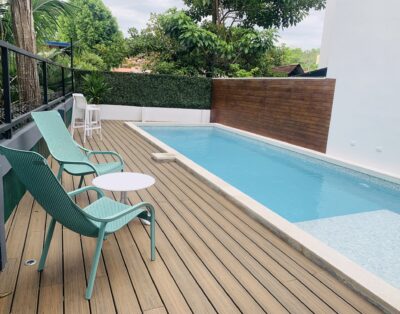
Private pools are a major reason travelers choose a villa, but they deserve active supervision. Children should never swim alone, even if they are confident swimmers. Adults should take turns being the designated water watcher instead of assuming someone else is paying attention. Keep glass away from the pool deck, and be extra careful on wet tile, which can become slippery quickly.
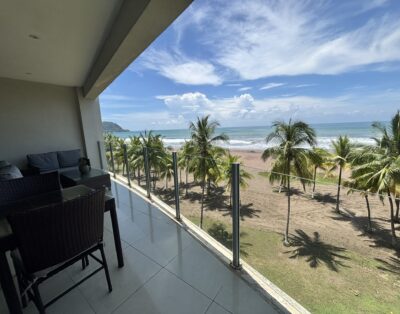
Ocean-view and jungle villas can have dramatic balconies, terraces, and infinity-edge pools. The view is the feature, but the drop can be real. Do not sit or climb on railings, and keep children away from edges. At night, use exterior lighting and watch your footing, particularly after rain.
Costa Rica’s tropical climate also brings strong sun. Plan for shade, water, and sunscreen, even on cloudy days. Heat exhaustion can turn a beautiful beach afternoon into a medical concern faster than many visitors expect.
Be Beach-Smart and Weather-Aware
A villa near the beach does not mean every nearby beach is ideal for swimming. Conditions can change with tides, rain, and currents. Choose beaches with lifeguards when available, follow posted warnings, and do not enter rough water simply because others are doing it. Rip currents can be difficult to spot from shore.
During the rainy season, heavy downpours can affect roads, create slick walkways, and bring fast-moving water to low areas. Keep an eye on local forecasts and adjust plans without trying to force a sightseeing schedule. A flexible afternoon at the villa can be far better than driving unfamiliar roads in poor visibility.
Wildlife is part of the experience, not a reason to panic. Keep food sealed, close screens and doors, and avoid feeding animals. Monkeys, raccoons, coatis, insects, and reptiles are best appreciated from a respectful distance. Shake out shoes left outside, use insect repellent, and ask the host for property-specific guidance if you see an animal you cannot identify.
Keep Your Group Connected
For couples, a simple check-in plan may be enough. For families and friend groups, it helps to agree on a few basics: where everyone keeps the villa address, what time the group reconnects after separate outings, and which person contacts the host if there is an issue. Make sure at least two adults have local emergency numbers and a charged phone.
Travel insurance can add another layer of confidence, especially for trips involving rental cars, adventure activities, or children. Coverage varies, so read the policy rather than assuming it includes every activity or medical situation.
If an emergency occurs, call 911 in Costa Rica. For non-urgent property concerns, use the host or manager’s designated contact method first. Clear communication helps resolve problems quickly and lets you get back to the trip you came for.
For Hosts: Safety Builds Better Reviews
A well-prepared villa protects guests and strengthens your rental business. Keep arrival instructions current, label emergency equipment, maintain exterior lighting, and make pool rules easy to find. Regular checks of locks, railings, smoke detectors, appliances, and walkways can prevent small maintenance issues from becoming guest emergencies.
Be transparent about roads, stairs, wildlife, and pool access in the listing. The right guests will still book a hillside escape or jungle retreat when they know what to expect. Clear expectations lead to more confident arrivals, smoother stays, and stronger reviews.
A memorable Costa Rica villa stay should feel open, relaxed, and easy from the moment your group walks through the gate. A little preparation gives you more room for the moments that matter: the first swim, the shared dinner, and the sunset you will talk about long after you return home.