

How to Publish Vacation Rental Listings That Book
A beach condo with an ocean-view balcony can sit empty for weeks if travelers cannot quickly understand what makes it worth booking. When you publish vacation rental listings, the goal is not simply to put a property online. It is to give the right guest enough confidence to picture their stay, trust the details, and reserve without hesitation.
For independent owners, condo investors, and local property managers, a strong listing is one of the most practical ways to build recurring rental income. The good news is that you do not need complicated marketing language or a giant portfolio to compete. You need accurate details, great visuals, a clear rate strategy, and a booking experience that feels easy from the first click.
Start With the Guest You Want to Attract
Every listing should answer one question before it answers any other: who is this stay perfect for? A two-bedroom condo in Jacó may appeal to a family looking for beach access and a full kitchen, while a modern villa near Punta Leona may be better positioned for a group getaway, celebration, or luxury escape.
Trying to speak to everyone usually makes a property sound generic. Instead of calling a home “great for vacations,” describe the kind of vacation it supports. Mention morning coffee on the terrace, enough room for a family to spread out, a short drive to the beach, or a private pool that makes group downtime feel special.
This does not mean overselling. Guests appreciate a clear match more than broad promises. If a property has stairs, a compact parking area, or a livelier neighborhood, say so plainly. The right guests will still book, and they are less likely to arrive with expectations your home cannot meet.
Prepare the Property Before You Publish
Your online listing reflects the experience waiting at the door. Before publishing, walk through the property as if you were arriving after a long flight. Is it clean, comfortable, easy to enter, and ready for photos? Are the essentials in working order, from Wi-Fi and air conditioning to hot water, locks, appliances, and lighting?
Small details carry real weight in vacation rentals. Stock enough towels for the maximum guest count. Make sleeping arrangements obvious. Confirm that kitchen equipment matches the number of people you welcome. If you advertise a workspace, make sure it is genuinely useful for a guest who needs to open a laptop and take a call.
A well-prepared home also gives you better content. Fresh linens, clear counters, outdoor furniture arranged for use, and lights turned on where needed help photos feel warm and believable. You are not creating a staged showroom. You are showing guests how enjoyable their stay can be.
How to Publish Vacation Rental Listings With Strong Photos
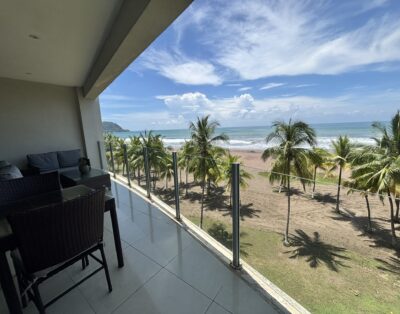
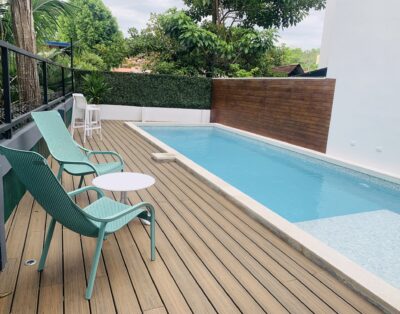
Photos often decide whether a traveler opens your listing or keeps scrolling. Start with the home’s best reason to book. For a beachfront condo, that might be the balcony view. For a jungle cabin, it could be the setting, private deck, or inviting plunge pool. For an urban escape, show the stylish living space and convenient location.
Use natural light whenever possible, and photograph each room from an angle that helps guests understand its size and layout. Include the exterior, entry, living room, kitchen, bedrooms, bathrooms, outdoor areas, and meaningful amenities. If the beach is within easy walking distance, a photo of the route or nearby shoreline can add helpful context.
Avoid filters that change colors or make rooms appear much larger than they are. A beautiful but misleading image may win a click, yet it can also create disappointment at check-in. Honest photos build trust and help attract guests who will appreciate the property as it is.
Captions can do useful work, too. Rather than writing “Bedroom,” say “Primary bedroom with king bed, blackout curtains, and balcony access.” A traveler planning a longer stay may care about those details more than a decorative accent wall.
Write a Title and Description Guests Can Scan
Your title should lead with a real advantage, not filler. “Ocean-view condo with pool near Jacó Beach” tells guests far more than “Beautiful vacation home.” Keep the promise specific and support it throughout the description.
The first few lines should establish the setting, the home type, and the main benefit. For example, a description might explain that a bright two-bedroom condo offers a relaxing base for beach days, with a shared pool, equipped kitchen, and easy access to restaurants. From there, explain the layout and amenities in the order guests naturally think about them.
Focus on the decisions guests need to make: how many people can sleep comfortably, whether there is parking, how close key attractions are, what outdoor space is private or shared, and whether the property suits families, couples, remote workers, or groups. Short paragraphs make these details easier to absorb on a phone.
Be careful with words such as “steps from the beach” or “minutes away.” Only use them when they are accurate. If driving is required, say so. Credibility is part of conversion, especially for travelers booking a destination they have never visited.
Set Rates That Protect Your Margin
A lower nightly rate can bring attention, but it does not always create better revenue. Your pricing needs to cover operating costs, cleaning, maintenance, supplies, management, and the value of the home, while still fitting the local market and season.
Costa Rica beach demand can shift with holidays, weather patterns, school breaks, and local events. A rate that makes sense for a quiet midweek stay may be too low for a popular long weekend. Set base rates, then adjust for high-demand dates, minimum stays, and last-minute availability.
It also helps to look at the total price a guest sees. A low nightly rate paired with surprise fees can cause travelers to abandon the booking process. Clear pricing feels more trustworthy and makes it easier for guests to compare options fairly.
There is no single perfect approach. New listings may benefit from a more competitive introductory rate to encourage early reservations and reviews. Established homes with strong photos, responsive hosting, and desirable features may be able to hold firmer pricing. Review performance regularly instead of setting rates once and forgetting them.
Make Rules, Amenities, and Availability Easy to Understand
Clear expectations prevent avoidable guest questions and protect your property. Explain check-in and check-out times, occupancy limits, pet policy, smoking policy, parking instructions, and any community rules that matter. If a condo building requires guest registration or limits noise after a certain hour, include that information before booking.
Amenities deserve the same care. Only check features that are consistently available and working. If Wi-Fi service can vary in a remote area, describe it honestly rather than promising an ideal work setup. If the pool is shared, say it is shared. If airport transfer coordination or local assistance is available, explain what guests can expect without making guarantees you cannot control.
Keep your calendar current. Few things damage confidence faster than a guest requesting dates that are no longer open. Accurate availability also helps you respond faster and capture reservations while interest is high.
Publish, Review, and Improve Over Time
Once your details, photos, rates, and policies are ready, publish your listing and view it as a traveler would. Check the title, thumbnail image, description flow, sleeping arrangements, map location, and total information available before a guest reaches out. A complete listing reduces friction and saves you time later.
MICASAS gives owners a straightforward way to create an account, upload property images, publish a home, and manage reservations without an upfront listing cost. For owners seeking a lower-fee channel in Costa Rica and nearby destinations, that can mean more room to invest back into the guest experience.
Publishing is the beginning, not the finish line. Pay attention to the questions guests ask repeatedly. If several people ask whether the beach is walkable, add that answer to the description. If guests praise the sunset view, bring it forward in your opening copy and photos. If a feature causes confusion, clarify it before the next booking.
A listing earns its value when it creates the right expectations and delivers on them. Give travelers a clear picture of the stay you offer, keep every detail current, and let your property’s real strengths do the work of turning interest into an unforgettable stay.