

Remote Work Rentals That Make Workdays Better
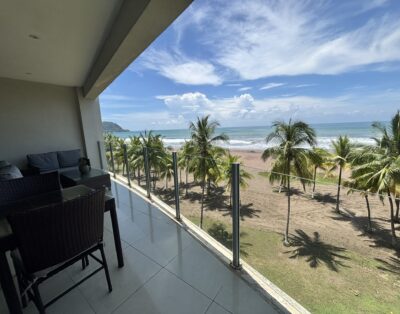
A laptop on a balcony overlooking the Pacific can make a Tuesday feel very different. But remote work rentals are not simply vacation homes with a pretty view. For guests, they need to support real work hours, video calls, deadlines, and downtime. For owners, they create an opportunity to attract longer stays, fill softer travel periods, and build more reliable booking income.
Costa Rica is especially well suited to this kind of stay. A traveler can finish a client call in the morning, take a surf break near Jacó in the afternoon, and meet friends for dinner without ever feeling confined to a hotel room. The right home turns a work trip into an unforgettable stay.
What Guests Need From Remote Work Rentals
A beautiful property may earn the click, but practical details decide whether a remote worker books. The biggest priority is reliable internet. Guests should be able to see that Wi-Fi is available, understand where the strongest signal is, and feel confident it can handle video meetings. If a home has a fiber connection, a dedicated router, or a backup option for occasional service interruptions, make that clear.
A usable workspace matters just as much. It does not need to be a formal office with corporate furniture. A desk or sturdy table, a comfortable chair, accessible outlets, and good lighting can be enough. A quiet bedroom corner may work well for a solo traveler, while a larger home for a group may need two or more separate places where people can take calls without competing for space.
Climate and comfort also shape the workday. Air conditioning, ceiling fans, shaded patios, blackout curtains, and screens can be more than vacation amenities when someone is working several hours indoors. Travelers may be drawn to spectacular ocean or jungle views, but they will appreciate a home that lets them focus when the meeting starts.
The best listings are specific without making promises they cannot support. Rather than saying a property is perfect for every digital nomad, describe the internet setup, work surfaces, quiet areas, power features, and nearby conveniences. A guest who knows what to expect is more likely to arrive happy, stay longer, and leave a strong review.
How to Choose a Work-Friendly Stay
Remote work is flexible, not one-size-fits-all. A couple working part-time from a beach condo has different needs than a family extending a school break or a small team planning a working retreat. Before booking, travelers should think about how they will actually use the home from Monday through Friday.
Start with the work schedule. Guests taking calls with colleagues in the US may need a quiet indoor space during specific hours. Travelers in creative roles may care more about a comfortable table and an inspiring outdoor setting. If everyone in the group works online, it is smart to choose a larger home with room to spread out rather than assuming one dining table will work for all.
Location deserves a closer look, too. A jungle cabin can offer privacy and a true escape, while an urban escape may put guests closer to cafés, grocery stores, restaurants, and local services. Beachfront condos often balance scenery with convenience, particularly when travelers want walkable access to the shore and easy transportation. There is no single best choice – the right rental depends on the pace of the trip.
For stays longer than a few days, everyday comforts become essential. Look for a full kitchen, laundry access, secure parking if needed, and enough storage to avoid living out of a suitcase. These details help a rental feel less temporary and give guests more time to enjoy the destination between work sessions.
Ask the Questions That Protect Your Workday
Guests should feel comfortable confirming a few key points before finalizing a stay. Is the Wi-Fi suitable for video calls? Is there a desk or quiet table? Are there regular power or internet interruptions in the area? How close is the nearest grocery store or pharmacy?
Asking does not mean a traveler is being difficult. It is the best way to match expectations with the property and choose with confidence. A responsive host or property manager can often recommend the home that fits a guest’s routine, even if it is not the first property they considered.
Remote Work Rentals Give Hosts a Longer Booking Window
For property owners, work-friendly travel can be a practical growth strategy. Leisure guests often book around weekends, holidays, and school schedules. Remote workers may travel during shoulder seasons, arrive midweek, and stay for one or several weeks. That can reduce turnover pressure while creating more consistent occupancy.
The goal is not to transform every vacation home into a coworking space. It is to make a property easier for the right guest to choose. A few thoughtful upgrades can have a real impact: dependable Wi-Fi, a quality chair, a power strip near the desk, and clear listing photos of the workspace. These are simple investments compared with major renovations, yet they answer the questions that can stop a guest from booking.
Hosts should also price with length of stay in mind. A weekly or monthly discount can encourage travelers to settle in while still protecting the value of high-demand dates. The best approach depends on the property’s seasonality, operating costs, and local demand. A luxury villa may attract short, premium group stays during peak weeks, while a well-equipped condo could benefit from longer bookings outside peak travel periods.
Clear communication is part of the product. Include the internet speed when it has been tested, note whether the work area is private or shared, and explain what the neighborhood offers. If construction, road noise, or a limited cell signal could affect the experience, honesty is better than a surprise after check-in. Trust protects reviews and helps build the kind of repeat business that matters most.
Make the Listing Easy to Picture
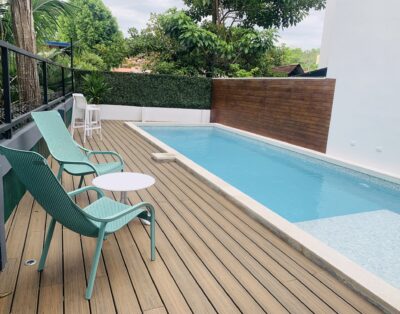
Guests book the lifestyle they can imagine. Photos should show more than bedrooms and pools. Include the desk with natural light, the dining table set up for a laptop, the covered terrace where someone can work outdoors, and the view that makes a midday break worthwhile.
The description should connect those features to the stay. Mention morning coffee on the balcony before logging in, easy access to local dining after a workday, or room for a family member to read while another joins a call. Keep the language inviting, but stay grounded in what the property delivers.
With MICASAS, owners can add photos, publish their property, manage reservations, and reach travelers looking for more than a quick overnight stay. Lower-fee distribution can also help owners keep more of the revenue from the bookings they earn, especially when longer stays become part of their rental mix.
A Better Balance Between Work and Travel
The appeal of a work-friendly rental is not working more hours in a nicer place. It is having more control over where life happens between those hours. A guest may use an early morning to finish a project, then spend the afternoon at Playa Hermosa or exploring nearby Punta Leona. A family can stay together in one home instead of dividing into hotel rooms, with space for work, meals, and genuine rest.
That balance requires realistic planning. Even a great rental cannot replace a strong work routine, and travelers should leave room in their schedule for arrival, groceries, and getting familiar with the area. Hosts can help by offering clear check-in instructions and useful local guidance, so guests spend less time solving logistics and more time enjoying the reason they traveled.
Choose a stay that supports your calendar as well as your vacation plans. When the Wi-Fi is dependable, the space feels comfortable, and the destination gives you something to look forward to after work, a longer trip can feel less like an interruption and more like the change of scenery you needed.