
Is Costa Rica Rainy Season Travel Worth It?
A 3 p.m. rain shower can turn a Costa Rica beach day into something better: a quiet hour on a covered terrace, cold drinks in the fridge, and the jungle suddenly glowing green outside your vacation rental. That is the real rhythm of Costa Rica rainy season travel. It is not a washout. It is a different kind of getaway, with bigger scenery, fewer crowds, and often more room in the budget for the home and location you really want.
For families, couples, and groups who prefer space over a standard hotel room, the rainy season can be one of the smartest times to book. The key is choosing the right region, building a flexible daily plan, and reserving a stay that makes rainy afternoons feel comfortable rather than inconvenient.
When Is Costa Rica’s Rainy Season?
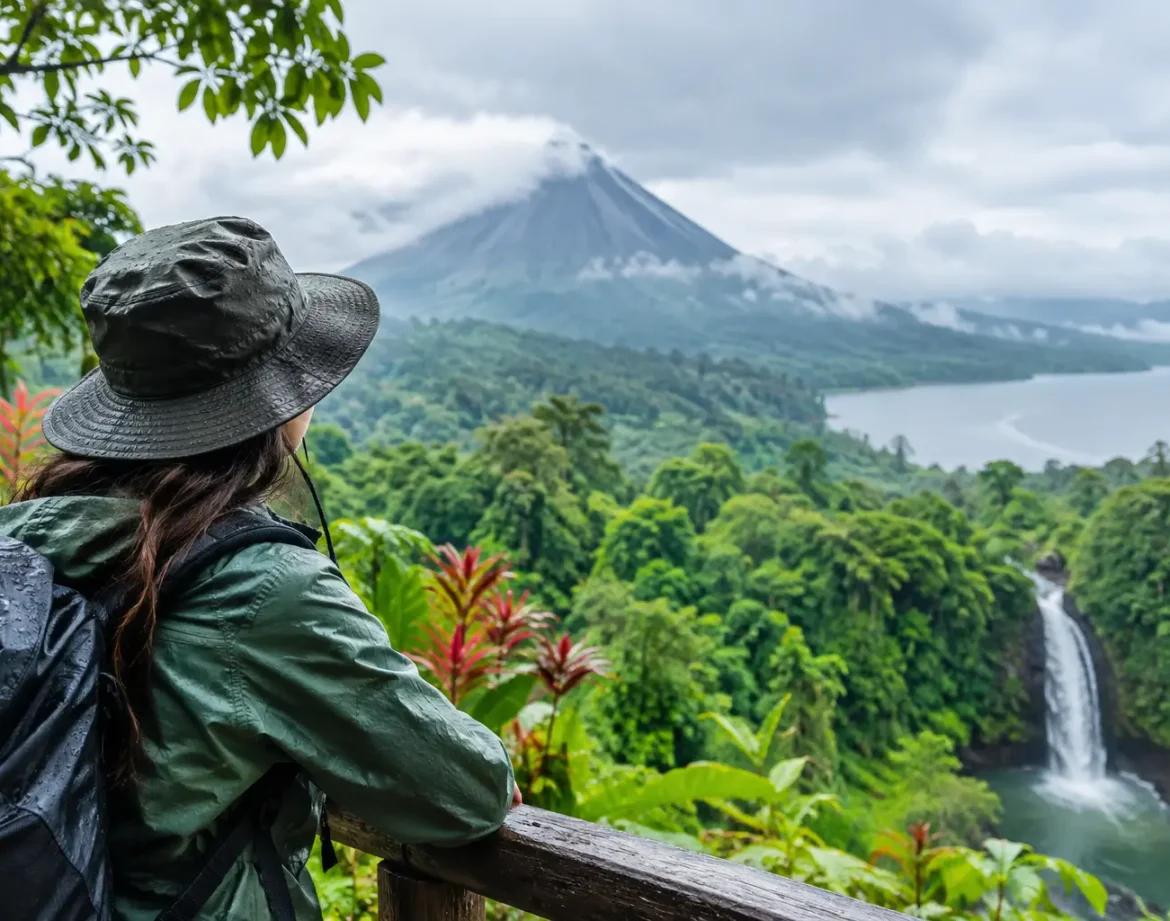
Costa Rica’s rainy season generally runs from May through November, although weather changes from coast to coast and elevation to elevation. Locals often call it the green season, which is a much more accurate description of what visitors experience. Hillsides become vivid, rivers run fuller, tropical gardens thrive, and wildlife is active.
May and June are often excellent choices for travelers who want green landscapes without the heaviest rain. Many days still begin sunny, especially along the Pacific coast, with showers arriving later in the afternoon or evening. September and October tend to be wetter in much of the country, particularly on the Pacific side, while the Caribbean coast follows its own weather pattern and can see brighter stretches during those months.
That variation matters. If your dates are fixed, do not judge all of Costa Rica by one weather forecast. A traveler headed to Jacó, Punta Leona, or Puntarenas may have a very different week than someone staying near Puerto Viejo or inland in the Central Valley.
Why Costa Rica Rainy Season Travel Can Be a Better Value
The dry season earns its popularity for good reason. It is easier to count on sunny beach days, roads are generally simpler to navigate, and peak holiday dates bring plenty of energy to the coast. But those advantages come with higher demand, busier attractions, and less flexibility around the best vacation homes.
During the green season, travelers can often find more availability across beach condos, private homes, jungle cabins, and larger villas. That can make a meaningful difference for a family needing separate bedrooms, a friend group splitting the cost of a house, or a couple hoping for a private pool and spectacular views. Availability does not automatically mean every property is discounted, especially for premium homes and holiday weekends, but it gives you more choices.
There is also a pace shift. Popular beaches and restaurants may feel less crowded. Tours can be easier to reserve. You may spend less time competing for parking, tables, and the perfect spot by the water. For travelers who want a memorable stay rather than a packed checklist, that breathing room is valuable.
Plan Your Days Around the Weather, Not Against It
A successful rainy-season itinerary starts early. Mornings are often your best window for the beach, surfing lessons, wildlife walks, waterfall visits, or a drive to a nearby town. Plan the activity you would be most disappointed to miss before lunch, then leave afternoons open.
This does not mean rain arrives every day at the same time. Some days stay bright, and some afternoons bring only a quick shower. But flexibility keeps a passing storm from dictating the mood of the trip. Save a long lunch, a massage, grocery shopping, cooking, card games, or a nap for the hours when clouds gather.
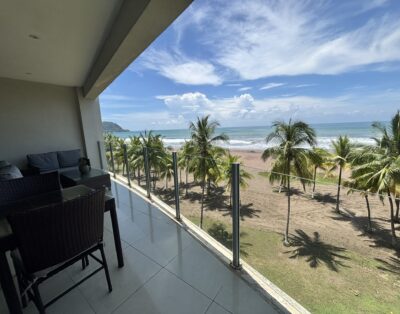
A well-chosen vacation rental makes this easy. Look for covered outdoor seating, reliable Wi-Fi, air conditioning or strong fans, a practical kitchen, and enough common space for everyone in your group. A home with a covered patio can turn a rainy afternoon into one of the most relaxing parts of the vacation. If you are traveling with children, a pool, game area, or easy beach access can be especially useful between showers.
Where to Stay on the Central Pacific Coast
Jacó, Punta Leona, Puntarenas, and nearby coastal communities are strong bases for travelers who want a mix of beach time, dining, convenience, and access to nature. They are also practical for shorter trips from San José, since the Central Pacific is generally easier to reach than more remote corners of the country.
Jacó works well for groups that want activity close by. You can pair beach time with restaurants, surfing, nearby excursions, and a lively town atmosphere. In rainy months, an ocean-view condo or spacious home near town gives you an easy place to reset if the weather shifts.
Punta Leona appeals to travelers looking for a more relaxed beach-and-nature setting. This area is a good fit for families and couples who want lush surroundings, quieter moments, and access to beautiful Pacific beaches. A rental with a stocked kitchen is a major advantage here, letting you enjoy an unhurried breakfast before the day begins.
Puntarenas can be a useful option for travelers interested in local flavor, ferry connections, or exploring the broader Gulf of Nicoya area. The right home base depends on whether your priority is walkable dining, privacy, surf, or a convenient launch point for day trips. Before booking, consider the road conditions between your rental and the experiences you want most.
What to Pack for Comfort Instead of Perfection
Forget trying to pack for a picture-perfect beach forecast. Pack for a tropical vacation with a few wet moments built in. Quick-drying clothing, sandals with grip, a lightweight rain jacket, insect repellent, sunscreen, and a dry bag or waterproof phone pouch will cover most situations.
Bring a light layer for air-conditioned restaurants and cooler evenings in elevated areas. If you plan to hike, closed-toe shoes with traction are worth the luggage space. An umbrella can help for a short walk, but it is less useful on windy beaches or active excursions than a packable rain jacket.
For travelers working remotely during part of the trip, add a backup battery pack and confirm the rental’s Wi-Fi details before you reserve. Rain can occasionally affect local service, particularly in more rural locations. A little preparation protects your plans without making the trip feel overplanned.
Rainy-Season Driving and Safety Tips
Costa Rica rewards travelers who slow down. Rain can make roads slick, reduce visibility, and create potholes or standing water that were not obvious in dry weather. Avoid driving unfamiliar rural roads after dark when possible, and leave extra time for every transfer.
If you rent a car, choose one that matches your route rather than assuming you need the largest vehicle available. Some properties and destinations are easily reached in a standard car, while others may require higher clearance or four-wheel drive. Ask about the final approach to the home, parking, and any seasonal road concerns before booking.
Never drive through flooded water if you cannot judge the depth. Keep an eye on local conditions, especially during periods of heavy rainfall. It is also smart to arrive at your accommodation with groceries and essentials before evening, so you are not making an unnecessary trip in a downpour.
Make the Rental Part of the Experience
Rainy season rewards travelers who book a place they genuinely want to spend time in. A basic room can feel limiting when the weather pauses your plans. A comfortable home with a balcony, pool, full kitchen, laundry, and room for the group creates options.
That is where regional vacation rentals shine. On MICASAS, travelers can look for beach houses, condos, jungle escapes, and villas that fit the trip they actually want, whether that means a family base near the sand or a private retreat with space to recharge. Choose the setting first, then let the weather become part of the story.
A flexible schedule, an early start, and the right home can turn a rainy-week forecast into an unforgettable Costa Rica stay. Let the morning take you outside, let the afternoon slow you down, and leave enough room for the lush, unexpected moments that make the green season so special.