

Short Term Rental Demand Trends Hosts Should Watch
A beachfront condo can look fully booked in one season and surprisingly quiet in the next, even when nothing about the home has changed. That is why short term rental demand trends matter to both hosts and travelers. They show when guests are ready to book, what kind of stay they value, and where a small adjustment can turn more searches into reservations.
For Costa Rica owners, the opportunity is not simply to wait for high season. It is to understand the travel patterns behind each booking and make the property easier to choose at every stage of the year. For guests, those same patterns can reveal when to plan ahead, when to find more availability, and how to get the dream stay that fits the trip.
Short Term Rental Demand Trends Are Shaped by Flexibility
Travelers are choosing vacation rentals because they want room to travel their way. Families want separate bedrooms, a kitchen for easy breakfasts, and space for children to unwind after a day at the beach. Couples may be searching for privacy, a pool, or spectacular views. Friend groups often want an entire home where they can share the trip without coordinating multiple hotel rooms.
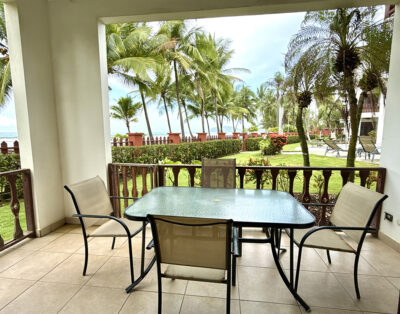
That preference is especially strong in coastal destinations. A beach house near Jacó, Punta Leona, or Puntarenas is more than a place to sleep. It can become the center of the vacation, with room for meals, surf gear, remote work, and relaxed evenings together. Homes that clearly communicate this value have an advantage over listings that only describe square footage and bed count.
Flexibility also changes trip length. Some guests still book quick weekend escapes, but many travelers are extending trips when a property makes longer stays practical. Reliable Wi-Fi, a comfortable workspace, laundry access, secure parking, and a well-equipped kitchen can make the difference between a three-night booking and a seven-night reservation. These details are not glamorous, but they support the kind of convenience that guests remember.
Seasonality Still Matters, but It Is Not the Whole Story
Costa Rica’s dry season remains a powerful booking period, particularly for travelers escaping colder weather in the United States. Demand often rises around holidays, school breaks, and the months when beach weather is at the top of guests’ wish lists. Hosts should expect earlier planning during these periods and should not wait until the last minute to prepare calendars, photos, rates, and guest communication.
But a strong rental business cannot rely on peak dates alone. Green season can appeal to travelers looking for lower rates, lush scenery, fewer crowds, surfing conditions, wildlife, and a more relaxed pace. A property that is marketed only as a sunny high-season escape may miss guests who would happily visit for a different kind of Costa Rica experience.
The right approach depends on the location and property type. A luxury villa with an infinity pool may perform best when positioned for milestone trips and group travel. An urban escape may benefit from business travel, concerts, or local events. A jungle cabin may attract guests who care more about nature and privacy than a perfectly cloudless forecast. Demand is never one-size-fits-all, so owners should review their own booking history alongside broader market patterns.
Guests Are Booking With More Intention
Travelers have become more selective about the details that affect the actual stay. Great photos still earn attention, but they must match reality. Guests want to know whether the beach is walkable, how many bathrooms are available, whether the pool is private, what the road access is like, and whether the home works for their group.
Clear listing information creates confidence before a guest ever sends a message. It also helps reduce disappointment after arrival. A strong description should answer the practical questions while still helping people imagine the experience: coffee on the terrace, a family dinner after a beach day, or an easy ride from the airport to a quiet coastal retreat.
The properties winning more bookings are often not the ones with the most luxury features. They are the ones that make a guest’s decision feel simple. Accurate amenities, current calendars, transparent pricing, responsive communication, and clean arrival instructions all help a traveler feel secure about booking.
Convenience Has Become Part of the Vacation
Travelers increasingly value services that remove friction from the trip. Airport transfer coordination, local arrival support, straightforward check-in, and recommendations tailored to the area can make a rental feel more dependable, especially for first-time visitors to Costa Rica.
Hosts do not need to offer every possible extra. In fact, adding services that are difficult to manage can create more problems than value. The better choice is to focus on the support that matches the property and the guest. A remote villa may benefit from clear transport options and detailed directions. A condo close to restaurants may benefit from a simple neighborhood guide and easy self-check-in.
What Hosts Should Watch in Their Own Data
Market headlines are useful, but the most actionable demand signals are often inside an owner’s own calendar. A few patterns deserve regular attention:
- Search and inquiry periods that do not turn into bookings may point to pricing, weak photos, unclear policies, or missing information.
- Booking lead time shows how early guests reserve different seasons and helps owners set rates with more confidence.
- Length of stay can reveal whether weekly discounts, work-friendly amenities, or flexible check-in days are attracting better-fit guests.
- Cancellation patterns may show where policies are too rigid, too loose, or poorly explained before booking.
These signals should lead to focused changes rather than constant guesswork. If guests consistently ask whether there is air conditioning in every bedroom, make that answer visible in the listing. If midweek nights are slower than weekends, consider a targeted rate adjustment instead of cutting the entire month. If longer stays are rising, make sure the home is equipped to support them well.
Price matters, but it should not become a race to the bottom. Lower rates can fill a calendar while reducing profitability and attracting guests who are not a good fit for the property. A better pricing strategy considers season, local events, length of stay, operating costs, and the experience the home delivers. During high-demand dates, confidence and availability are valuable. During softer periods, a thoughtful offer can be more effective than a deep discount.
Better Listings Meet Demand Before Guests Ask
Demand trends should influence how a home is presented, not just what it costs. Start with images that tell an honest visual story. Show the bedrooms, bathrooms, outdoor spaces, kitchen, views, parking, and the features that make the property useful for its likely guests. A bright pool photo may attract attention, but a clear photo of a comfortable dining area can help a family commit.
Then build the listing around the trip type. A beachfront condo can highlight convenience, walkability, and easy access to the water. A larger home can speak directly to family reunions and group vacations. A romantic villa should make privacy, views, and memorable moments easy to picture. The goal is not to appeal to every traveler. It is to give the right traveler a strong reason to book.
Owners should also keep operational basics in excellent shape. Fast replies, reliable cleaning, working appliances, and accurate check-in details create the reviews that support future demand. A beautiful property with inconsistent service can lose momentum quickly. On the other hand, a well-managed home earns trust, repeat guests, and referrals that no seasonal promotion can fully replace.
A More Local Way to Build Booking Momentum
Regional focus can be a real advantage. Travelers who are considering Costa Rica often want more than a generic rental search. They want help choosing between beach towns, understanding travel time, finding the right setting for their group, and feeling confident that the property is legitimate.
MICASAS gives owners a lower-fee way to market and manage their vacation homes while helping travelers find stays that fit the trip they want to take. For hosts, simple listing tools and reservation support can make it easier to stay focused on the guest experience. For travelers, a clear path to the right home can turn planning into anticipation instead of stress.
The most promising demand trend is not a single season, amenity, or price point. It is the growing value guests place on a stay that feels easy, personal, and worth remembering. Keep listening to what your guests need, present the property with confidence, and let every great stay create demand for the next one.