
How to Market Beach Rentals for More Bookings
A beach rental can have a beautiful view, a private pool, and room for the whole family, yet still sit vacant if guests cannot quickly see why it is worth booking. Learning how to market beach rentals means turning the features you already own into a clear, confidence-building reason to choose your property over another coastal stay.
Beach travelers are not only shopping for a place to sleep. They are picturing early walks on the sand, easy meals after a day in the surf, sunset drinks on the balcony, and enough space to relax together. Your marketing should make that picture feel real while answering the practical questions that determine whether a guest clicks Book.
Start With the Beach Experience, Not Just the Property
A listing that simply says “two-bedroom condo near the beach” blends into the search results. A listing that explains the experience gives travelers something to remember: a two-bedroom condo with an ocean-view balcony, a five-minute walk to the beach, and a full kitchen for relaxed family dinners.
Lead with the strongest reason to stay. For some properties, it is direct beachfront access. For others, it may be a quiet gated community, a large pool, surf breaks nearby, or extra space for a group trip. Be specific. “Close to the beach” can mean many things, while “a three-minute walk to Playa Jacó” sets a useful expectation.
This does not mean overselling. A rental one block from the water should not be presented as beachfront. Guests appreciate honest details, and accurate descriptions lead to better reviews, fewer misunderstandings, and more repeat bookings.
Write for the Trip Your Guests Are Planning
The best audience depends on the property. A beachfront villa may appeal to extended families, couples traveling together, or small groups celebrating a milestone. A compact condo near restaurants and nightlife may be better suited to couples and friends. A home with a fenced yard, washer and dryer, and easy parking has a natural advantage with families.
Use this understanding throughout your listing. Mention the sleeping layout, dining space, child-friendly details, workspace, beach equipment, and parking only when they help the right guest imagine an easier stay. Broad language attracts clicks, but targeted language brings better-fit reservations.
How to Market Beach Rentals With Photos That Sell
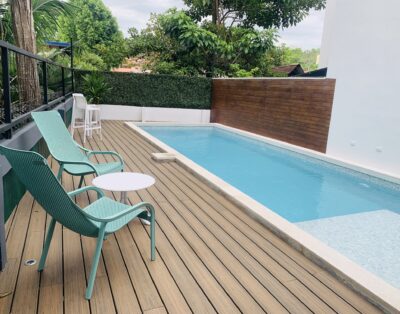
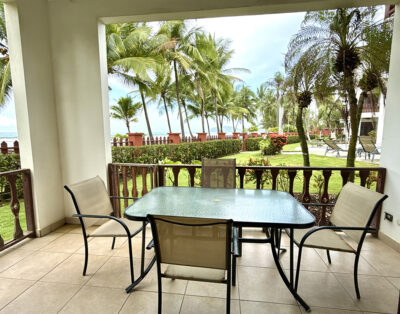
Photos do much of the selling before a guest reads a single sentence. Your first image should immediately show the property’s biggest advantage: the ocean view, the pool, the bright living area, or the outdoor terrace where guests will spend their evenings.
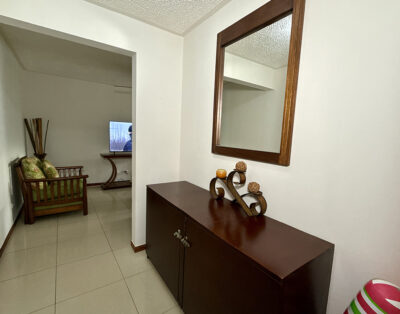
Include a full visual story, not just a collection of attractive shots. Show every bedroom, bathroom, kitchen, living space, dining area, outdoor area, and the property exterior. If guests can walk to the beach, include an honest photo that communicates the setting. If the rental includes a dedicated workspace, barbecue, or outdoor shower, photograph it clearly.
Professional photography is often worth the investment, especially in competitive destinations. Coastal light changes quickly, so schedule the shoot when both interiors and outdoor spaces look their best. Open curtains, clear counters, straighten furniture, and remove personal clutter. The goal is not to make the home look staged beyond recognition. It is to make it look ready for a spectacular stay.
Short videos can add another layer of confidence. A simple walk-through of the balcony view, living room, pool area, and path toward the beach helps travelers understand the flow of the property. Keep it steady, bright, and useful rather than overly edited.
Price for Demand Without Giving Away Your Best Dates
Beach destinations often have strong high seasons, quieter months, holiday peaks, and event-driven weekends. One fixed nightly rate rarely makes sense all year. Smart pricing protects your earning potential when demand is high and helps your property remain competitive when travelers have more options.
Review comparable rentals with similar location, guest capacity, amenities, and condition. A true beachfront home should not be priced like a property that requires a long drive to the shore. At the same time, a higher rate needs to be supported by clear value: better views, more privacy, upgraded furnishings, a pool, extra bedrooms, or thoughtful service.
Consider minimum stays carefully. A longer minimum can reduce turnovers and protect busy dates, but it can also prevent you from capturing short weekend trips or filling a last-minute gap. During major holidays, longer stays may be appropriate. During softer periods, flexibility can create more booking opportunities.
Discounts work best when they are intentional. Offer an early-booking rate to build confidence ahead of slower months, a weekly discount for guests who want more time by the coast, or a last-minute offer for dates that would otherwise remain empty. Avoid frequent blanket discounts that teach guests to wait for a deal.
Make Your Listing Easy to Trust
Travelers book faster when they can find the answers they need without sending three messages. Your listing should clearly explain check-in, Wi-Fi, air conditioning, parking, security features, accessibility considerations, pool rules, pet policies, and any fees guests should expect.
Beach rentals also need practical coastal information. Is there a grocery store nearby? Are beach chairs or towels provided? Does the road require a particular type of vehicle during rainy season? Is the ocean in front of the property calm for swimming, or better known for surfing? These details are useful marketing because they show guests you understand the destination and care about their experience.
Reviews are equally powerful. Encourage guests to share feedback after checkout, especially when they mention the location, cleanliness, responsiveness, or views. Do not pressure guests for a perfect rating. Instead, deliver the kind of stay that naturally earns one, then thank them for taking the time to write about it.
When a concern appears in a review, respond professionally and specifically. Future guests are watching how you handle problems. A calm response that explains what was addressed can strengthen trust more than silence.
Reach Guests Where They Are Ready to Plan
A beautiful listing needs distribution. Publish on a marketplace that gives your rental visibility with travelers actively searching for beach stays, and keep the calendar, rates, photos, and descriptions current wherever your property appears. Inconsistent availability can cost bookings and create avoidable operational problems.
For owners marketing Costa Rica coastal properties, MICASAS provides a lower-fee way to publish listings, manage reservations, and reach travelers looking for beach houses, condos, and villas in destinations such as Jacó, Punta Leona, and Puntarenas. The right channel should make it simple to present your home well while helping you keep more of the revenue you earn.
Social media can support your listing, particularly when used to show real moments rather than generic promotion. Share a sunrise from the terrace, a local restaurant recommendation, the seasonal arrival of sea turtles where relevant, or a quick video of the pool and outdoor dining area. Always direct your content toward the experience guests can have, not just the fact that the property is available.
Local partnerships can also create bookings that broad advertising may miss. Consider relationships with surf instructors, wedding planners, tour operators, transportation providers, and nearby restaurants. A guest who can easily arrange an airport transfer, fishing trip, or family-friendly excursion may see your rental as the more convenient choice.
Turn Inquiries Into Confirmed Reservations
Fast, helpful communication is part of your marketing. When a traveler asks whether the home has reliable Wi-Fi, enough beds for six adults, or a safe place to park, a delayed or vague reply can send them to another listing.
Respond with direct answers and a warm tone. If the question reveals a concern, address it fully. For example, instead of saying “Yes, it is close to town,” explain the approximate drive time, what guests will find there, and whether a car is recommended. Helpful communication lowers uncertainty, and lower uncertainty helps guests book.
After a reservation is confirmed, continue building confidence. Send clear arrival instructions, provide a simple local guide, and let guests know how to reach the right person if they need help. A smooth first impression sets the tone for better reviews and referrals.
Keep Improving the Details That Affect Bookings
Marketing is not a one-time task completed when the listing goes live. Review your performance regularly. If people view the property but do not book, revisit the first photo, nightly rate, headline, and value proposition. If guests consistently praise the pool but your lead image shows a bedroom, test a different photo order.
Pay attention to the questions guests ask before booking. Repeated questions often reveal missing information in your listing. Pay attention to reviews, too. They can show where a small upgrade, clearer instruction, or added amenity could improve the guest experience and your next season’s results.
The most effective beach rental marketing feels less like advertising and more like good hosting before guests arrive. Show them the view, tell them what to expect, make booking easy, and give them a reason to believe their dream stay is already within reach.