

Direct Booking Channel Strategy for More Revenue
A direct booking channel strategy is how vacation rental owners turn interest into reservations without giving away more of every booking than necessary. It is not about abandoning marketplaces that bring visibility. It is about building a reliable path for guests who already know your property, love your destination, or want a more personal way to plan their stay.
For a beachfront condo in Jacó, a family beach house near Punta Leona, or a private jungle cabin outside the city, direct bookings can create more room for profit and better guest relationships. The key is making the direct option feel easy, secure, and worth choosing.
Why Direct Bookings Matter for Vacation Rental Owners
Every booking channel has a job. Large travel platforms can introduce your property to travelers who have never heard of it. They may be useful when you are filling new calendar dates, entering a competitive destination, or launching a new listing.
But relying on one channel creates a problem: someone else controls the guest relationship, the communication flow, the rules, and often a meaningful portion of your revenue. When fees rise or policies change, your margins can shrink quickly.
A direct channel gives you more control. You can present your home with your own photos and story, set clearer expectations, offer packages that match your property, and keep more of the booking value working for your business. Just as valuable, you can give past guests a simple place to return when they are ready for another Costa Rica escape.
Direct does not always mean cheaper for the traveler. It means clearer value. A guest may choose to book directly because they receive responsive local support, flexible arrival assistance, trusted airport transfer coordination, or straightforward information about the home and neighborhood. For groups planning a special trip, confidence often matters as much as the nightly rate.
Build Your Direct Booking Channel Strategy Around Trust
Travelers are willing to book directly when the experience feels legitimate from the first click. A beautiful property alone is not enough. They need to understand what they are booking, who will help if something goes wrong, and how their payment and personal information will be handled.
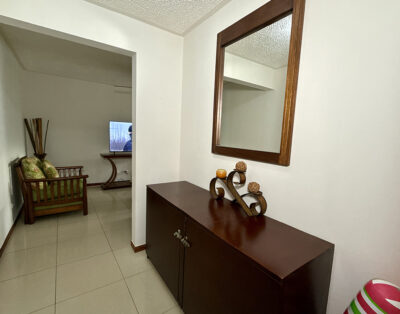
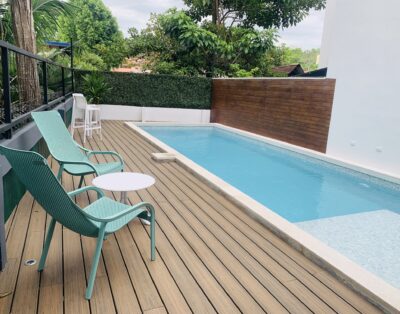
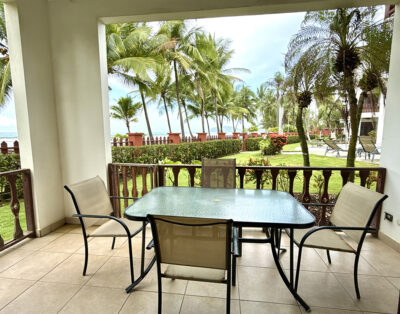
Start with the basics: accurate availability, current rates, detailed amenities, and high-quality photos that show the full guest experience. Include the exterior, bedrooms, bathrooms, kitchen, pool or balcony, parking, and the views that make the property memorable. If a home is a short walk from the beach, say so clearly. If the road requires a 4×4 vehicle, explain that before a guest asks.
Property descriptions should answer practical questions while still selling the feeling of the stay. Instead of only saying that a villa has three bedrooms, help guests picture their trip: a sunrise coffee on the terrace, space for the whole family to cook dinner, and a comfortable place to return after a day on the coast.
Clear policies are another trust signal. Display cancellation terms, check-in procedures, security deposit information, occupancy limits, and house rules in plain language. Guests do not expect every policy to be flexible, but they do expect to find it before they pay.
Make booking simple, not mysterious
A direct booking path should not send travelers through a maze of forms, email exchanges, and unanswered questions. The guest should be able to check dates, see the total price, submit a booking request or reserve, and know what happens next.
Keep the number of steps low. Ask only for information needed to confirm and manage the reservation. If a guest needs help, make it easy to reach a real person who understands the home and destination. Fast, helpful communication can be the difference between a completed reservation and an abandoned search.
For owners, this also means keeping calendars synchronized and reservation details organized. Double bookings and delayed confirmations damage trust fast, especially when a guest is planning flights and coordinating a group.
Create Reasons for Guests to Come Back Directly
The strongest direct booking strategy begins after checkout. A great stay creates the opportunity, but follow-up gives guests a reason to remember where to book next time.
Send a warm post-stay message thanking guests for choosing your home. Invite honest feedback and make room to resolve concerns privately. Then keep the relationship alive with occasional, useful communication. A previous guest may appreciate an early look at holiday availability, a seasonal guide to the best surfing conditions, or a reminder that the property is ready for a future family getaway.
Do not flood inboxes with promotions. Vacation planning is personal, and travelers tune out repetitive sales messages. Focus on moments that naturally prompt another trip: school breaks, long weekends, seasonal festivals, or the return of dry-season beach weather.
A return-guest offer can help, but it should protect your profitability. Consider a value-added benefit instead of automatically cutting the nightly rate. Depending on the property and local partners, that could mean a flexible check-in when available, airport transfer coordination, a welcome package, or a small credit toward an extended stay. The best offer is one that feels useful to the guest and sustainable for the owner.
Turn local knowledge into a booking advantage
Mass-market platforms are built for scale. A regional vacation rental business can win by being genuinely helpful.
Share useful local details before guests arrive: driving guidance, grocery options, beach access, family-friendly activities, restaurant suggestions, and realistic travel times. This information reduces uncertainty for first-time visitors to Costa Rica and helps them feel supported before they land.
It also gives your direct channel a distinct advantage. A traveler is not only reserving a place to sleep. They are choosing a team that can help make the trip smoother. For a couple booking a romantic villa or a group coordinating several flights, that personal support has real value.
Balance Marketplace Reach With Direct Revenue
A direct booking channel strategy should complement distribution, not shrink it too early. If your property is new, has limited reviews, or is located in a highly seasonal market, outside channels can still play an important role in reaching new audiences.
Think of marketplace visibility as discovery and your direct channel as relationship-building. New guests may find you through a broader search. Returning guests, referrals, social followers, and travelers who already know the destination should have an easy way to book with you directly.
The trade-off is effort. Direct bookings require attention to listing quality, guest messages, payments, marketing, and reputation. Owners who do not have time to manage those details may benefit from platform tools and property management support rather than trying to build every part alone.
MICASAS gives owners a lower-fee way to list, publish property details, manage reservations, and reach travelers looking for distinctive stays across Costa Rica and beyond. The goal is not to make hosting more complicated. It is to give owners a practical channel for growing income while keeping the guest experience welcoming and dependable.
Measure What Is Actually Growing
A strategy only works when you can see what is improving. Track direct booking revenue alongside total reservations, not just the number of inquiries. A channel that generates fewer bookings may still be more valuable if it produces stronger margins, longer stays, or more repeat guests.
Watch where your direct guests come from. Are they returning travelers, referrals from friends, social media followers, or people who found your property while researching a destination? That answer helps you spend time where it can make the biggest difference.
Also monitor conversion. If travelers view a property but do not reserve, look for friction. The issue may be unclear pricing, limited photos, a slow response time, complicated payment steps, or missing information about the area. Small improvements often create more results than a major discount.
Your property does not need to compete with every rental in every market. It needs to give the right traveler a confident reason to choose your stay, book with ease, and remember exactly where to return for the next unforgettable trip.