

Vacation Rental Owner Portal Guide for Hosts
A great vacation rental can lose bookings for surprisingly small reasons: an outdated calendar, dim photos, a missing amenity, or a guest question that sits unanswered for hours. This vacation rental owner portal guide helps you turn your owner dashboard into a practical daily tool for protecting revenue, serving guests, and growing your property business.
For independent owners and small property managers, the portal is more than an account page. It is the command center for your beach condo, jungle cabin, city apartment, or luxury villa. When it is organized, your property is easier to book, easier to manage, and more likely to earn repeat stays.
Start With a Listing Guests Can Trust
Your portal workflow begins with the listing itself. Travelers are not just looking at a property – they are deciding whether they can picture their family breakfast on the terrace, a group trip by the pool, or a quiet weekend near the beach. Your listing needs to answer their practical questions while creating that feeling.
Use your property title to lead with its strongest, most specific advantage. “Three-bedroom condo near Jacó Beach with ocean-view balcony” gives a traveler far more confidence than “Beautiful vacation rental.” Keep the description clear and accurate. Explain the sleeping setup, parking, kitchen features, air conditioning, Wi-Fi, outdoor spaces, and any access details guests should know before booking.
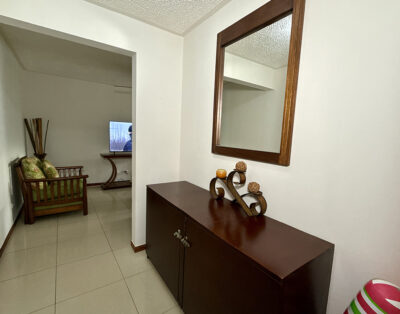
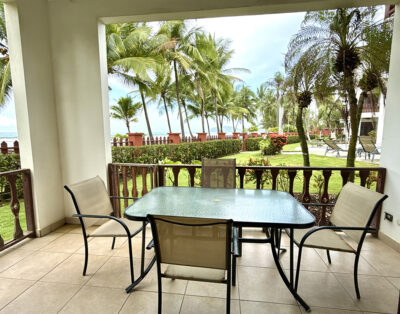
Photos do much of the selling, especially in destination markets. Upload bright, current images that show the rooms in a logical order: exterior or view, living area, bedrooms, bathrooms, kitchen, and standout amenities. Include the balcony, pool, beach access, or jungle surroundings when those are part of the experience. A beautiful view can bring guests to your page, but clear bedroom photos and honest details help them click reserve.
Do not hide limitations. If a property has stairs, limited parking, a shared pool, a steep driveway, or occasional neighborhood noise, say so plainly. The right guest will appreciate the transparency. The wrong-fit guest is less likely to leave disappointed.
Review the Details That Affect Search Results
Inside an owner portal, property details often help determine when and where your listing appears in search. Check your address or map pin, guest capacity, bed count, bathroom count, property type, amenities, minimum stay, and check-in rules. A two-bedroom home listed with only one bed, for example, may miss searches from families who need separate sleeping spaces.
Set expectations around the features that matter most in Costa Rica and other warm-weather destinations. Guests commonly want to know about cooling, hot water, internet reliability, gated access, beach distance, laundry, pool availability, and transportation. These are not minor details. They can be the deciding factor between your home and a similar property nearby.
Use Your Owner Portal to Protect Every Date
A calendar is one of the most valuable areas of any vacation rental owner portal. It prevents double bookings, helps you plan cleanings, and gives you a clear view of your income opportunities.
Update availability as soon as your plans change. Block dates when the property is being repaired, used by family, or unavailable for any reason. If you advertise across more than one booking channel, make calendar accuracy a non-negotiable habit. One overlapping reservation can create a stressful cancellation, damage guest trust, and cost more than the booking itself.
Your calendar should also reflect your operating reality. Leave enough time between stays for cleaning, linen service, maintenance checks, and restocking. A same-day turnover may make sense for a well-staffed condo with a reliable cleaning team. For a remote home or a larger villa, a buffer can protect the guest experience and your peace of mind.
Price for Demand, Not Just for Occupancy
Getting booked is exciting, but filling every night at the lowest possible rate is not always a win. Your owner portal can help you review upcoming dates and adjust pricing based on demand, local events, holidays, seasonality, and booking pace.
Higher-demand periods may include school breaks, holiday weeks, surf events, festivals, and peak beach travel months. If reservations are arriving quickly for a certain weekend, that can be a sign your rate is too low. On the other hand, an unbooked gap close to arrival may call for a more competitive price or a shorter minimum stay.
The right approach depends on your property. A luxury villa with a strong view may perform best with fewer, higher-value reservations. A centrally located apartment may benefit from flexible stays that capture weekend travelers and short business trips. Review your results monthly instead of setting rates once and forgetting them.
Manage Reservations With a Guest-First Mindset
Once a guest books, the owner portal becomes an operations tool. Review each reservation promptly and confirm that your calendar, cleaning schedule, and property access plan are aligned. Your goal is simple: no surprises for the guest and no last-minute scrambling for your team.
Send clear communication before arrival. A helpful pre-arrival message can cover check-in time, directions, parking, gate or lock instructions, Wi-Fi information, and a contact method for urgent questions. For international travelers, simple directions and local landmarks are especially useful. A guest landing after a long flight does not want to decode a complicated arrival process.
Keep your messages friendly and concise. You are setting the tone for an unforgettable stay, but you are also reducing preventable questions. If airport transportation, local recommendations, or property support are available, mention them in a useful way rather than overwhelming guests with a long message.
After check-in, be available without being intrusive. A quick message asking whether they arrived comfortably can build trust. Then give guests space to enjoy the property. Fast, calm responses matter most when there is a real issue, such as a lock problem, missing towels, or an appliance concern.
Build Simple Systems Behind the Dashboard
The portal handles the booking side, but successful hosting also depends on what happens off-screen. Create a repeatable turnover checklist for every departure. It should cover cleaning, linens, consumables, inventory, appliances, lights, locks, Wi-Fi, and outdoor areas. The exact list will vary by property, but consistency keeps small issues from becoming guest complaints.
Keep your house rules and check-in instructions current in the portal and with your local team. If a new smart lock is installed or a pool rule changes, update both places right away. Old instructions create confusion even when the property itself is excellent.
It also helps to track recurring maintenance. Air conditioning service, pest control, pool care, landscaping, water filters, and deep cleaning are easier to manage when scheduled before a guest reports a problem. Property care is part of your marketing. A clean, well-maintained home earns better feedback, which supports future bookings.
Watch the Numbers That Guide Growth
Your owner portal should make it easier to understand what your rental business is doing. Review reservation volume, booked nights, average nightly rate, lead time, cancellations, and revenue over consistent periods. Looking at one busy month can be encouraging, but comparing month to month and season to season reveals the patterns that matter.
Ask useful questions as you review performance. Which photos receive attention but do not lead to bookings? Are guests booking more weekends than full weeks? Is one bedroom layout limiting your audience? Are cleaning costs rising faster than rates? These answers can guide changes that are more valuable than simply lowering your price.
MICASAS gives owners a lower-fee channel to publish properties, manage reservations, and build visibility with travelers looking for memorable stays in Costa Rica and beyond. That margin matters, especially when you are reinvesting in photos, maintenance, amenities, and guest service.
Keep Your Portal Habits Consistent
You do not need to spend all day in your dashboard. A focused routine is better. Check new reservations and guest messages daily. Review the calendar and upcoming arrivals several times each week. Once a month, inspect your listing, photos, rates, and performance data as if you were a traveler deciding where to stay.
The owners who grow steadily are rarely the ones making dramatic changes every week. They are the ones who keep availability accurate, communicate clearly, maintain the home well, and make thoughtful improvements over time. Give your portal that same steady attention, and it can help turn a property you love into a vacation rental business guests are eager to book again.