

Beach House Property Management That Pays
A beach house can look like easy income from the outside. Sun, ocean views, steady demand, done. Owners know better. Salt air wears down finishes faster than expected, last-minute guest needs never check the calendar, and one missed cleaning or maintenance issue can turn a dream stay into a refund request.
That is why beach house property management matters so much. At the coast, good management is not just about handing over keys and scheduling a cleaner. It is about protecting a high-demand asset, keeping guests happy, and building a rental business that stays profitable through peak weeks, rainy days, and everything in between.
What makes beach house property management different
Managing a beach rental is not the same as managing a city apartment or even a mountain cabin. Coastal homes face a different kind of pressure. Humidity, sand, sun exposure, corrosion, and heavier seasonal traffic all create more wear in less time.
A beachfront or near-beach property also comes with higher guest expectations. Travelers are not just booking a place to sleep. They are booking a setting. They want comfort, convenience, and the feeling that the whole trip will be easy from check-in to checkout. If the AC struggles, the outdoor shower does not work, or beach gear is broken, the problem feels bigger because the vacation itself feels disrupted.
That is the real job of beach house property management – keeping the experience as strong as the location.
The revenue side is only half the story
Many owners start by focusing on occupancy. That makes sense. More nights booked usually means more income. But coastal rentals can lose money quietly when pricing, upkeep, and operations are not working together.
A home that is constantly booked at the wrong rate may still underperform. A house with beautiful photos but weak response times may lose high-value reservations. A property that earns well in high season can still drag on annual returns if off-season strategy is missing.
Strong management looks at the full picture. That includes dynamic pricing, listing quality, calendar control, guest communication, damage prevention, vendor coordination, and owner reporting. If one part breaks, the rest gets harder. A discounted week due to a maintenance issue is not just lost revenue. It is also time, stress, and often reputation.
How better management drives more bookings
Most beach destinations are competitive for a reason. Travelers have options, especially in markets with condos, villas, and family homes all competing for attention. The homes that win more bookings usually do not win on price alone. They win because they present better and operate better.
That starts with the listing. Clear photos, accurate details, and fast updates matter. Guests want to know how close the home is to the beach, whether parking is simple, if the kitchen is fully equipped, and what the sleeping setup really looks like. A vague listing creates hesitation. A polished one creates momentum.
Then comes speed. Beach travelers often compare several properties at once. If questions sit unanswered, they move on. Responsive communication helps convert interest into confirmed stays.
There is also the issue of trust. Cleanliness, arrival instructions, and consistency have a direct impact on reviews. Better reviews support better pricing, and better pricing supports stronger annual income. This is where professional systems outperform improvised hosting.
The operational details that protect your home
Beach homes need more frequent attention than many owners expect. Salt can damage railings, locks, appliances, and exterior fixtures. Sand gets into everything. Humidity affects linens, furniture, and even electronics. Routine inspections are not optional if you want to avoid expensive surprises.
A good management approach builds maintenance into the business model instead of treating it like an emergency. That means regular HVAC checks, moisture control, exterior inspections, deep cleaning schedules, and fast repairs between stays.
It also means setting up the home for real guest use. Durable furniture often beats delicate furniture. Washable materials beat high-maintenance finishes. Smart locks, owner closets, outdoor rinse stations, and clear house guides can reduce both damage and confusion.
There is a trade-off here. Some owners want a luxury look with highly customized interiors. That can absolutely work, especially in premium markets, but it raises replacement costs and usually requires tighter operational control. Other owners optimize for durability and lower turnover stress. The right balance depends on your rates, audience, and how often you use the property yourself.
Beach house property management for owners who want margin
For many owners, the biggest frustration is not demand. It is watching fees and inefficiencies eat into the return. That is where a smarter platform and management setup can make a real difference.
Beach house property management should help owners keep more of what they earn, not just add another layer of cost. Lower distribution fees, clear reservation tools, and practical support can improve margins without forcing owners to handle every task alone.
This matters even more for independent owners and small investors. If you own one condo in Jacó, a beach house in Punta Leona, or a vacation home in Puntarenas, every percentage point counts. You need visibility, reliable bookings, and support that does not feel built only for massive portfolios.
That is one reason region-focused platforms can be a strong fit. They often understand local traveler behavior, seasonality, and service needs better than broad marketplaces trying to be everything for everyone. MICASAS is built around that kind of local advantage while giving owners a simpler, lower-fee path to market and manage their homes.
What guests actually notice
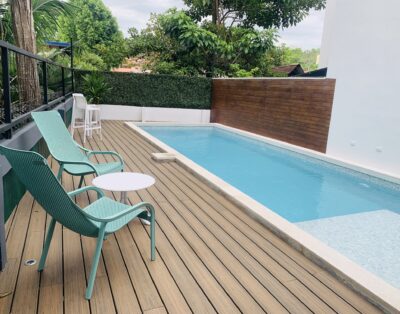
Owners often invest in the big visual upgrades first, and those can absolutely help. Fresh paint, a better pool deck, upgraded bedrooms, and great photos all support conversions. But guest satisfaction often rises or falls on smaller details.
Cold air that works fast after a hot arrival. A smooth check-in. Reliable Wi-Fi. Enough towels. Beach chairs that are actually usable. Fast answers when something goes wrong. These are not flashy features, but they shape reviews.
In beach rentals, convenience feels premium. Guests do not want friction during a short stay. They want to settle in quickly and enjoy the location. Good management removes obstacles before they become complaints.
That includes setting expectations. If a home is on a steep hill, say so. If waves are strong on that stretch of beach, say so. If road access changes in rainy season, say so. Clear communication does not reduce bookings from the right guests. It helps attract them.
When self-management works and when it does not
Some owners can self-manage successfully, especially if they live nearby, have trusted vendors, and enjoy the hands-on side of hosting. If you are organized, responsive, and comfortable handling pricing, guest messaging, cleaning coordination, and emergency issues, self-management can preserve more revenue.
But beach properties are less forgiving than many other rentals. If you live out of state or use the home only occasionally, small issues can pile up fast. A missed leak, a mold smell, a dead lock battery, or a late cleaner can affect both the stay and the next booking.
That is where professional management earns its keep. Not because owners cannot do the work, but because coastal rentals require consistency. The real question is not whether you can manage it yourself. It is whether you can manage it well every week of the year.
Building a beach rental that lasts
The most successful owners think beyond this month’s bookings. They treat the property like a long-term income asset and a hospitality product at the same time. That changes decisions.
Instead of chasing every reservation, they protect the calendar around maintenance and quality control. Instead of buying whatever looks stylish, they furnish for real turnover. Instead of reacting to slow periods, they plan promotions, minimum stays, and pricing around seasonal demand.
Beach house property management is really the system behind those decisions. It helps owners stay competitive without burning out, and it helps guests enjoy the kind of unforgettable stay they hoped for when they booked near the water.
A great beach home should feel easy for the guest and worthwhile for the owner. When the management is right, both can happen at the same time.