

How to List Vacation Homes That Book
A great vacation home can still sit empty if the listing does not do its job. That is the real challenge behind how to list vacation homes. You are not just uploading photos and waiting for reservations. You are positioning a property to compete, building trust with travelers, and turning interest into income without making the process harder than it needs to be.
For many owners, the gap between an average listing and a high-performing one is smaller than it looks. The strongest listings are usually not the fanciest. They are the clearest, most complete, and easiest to book. If you want more visibility, better inquiries, and stronger returns, the way you present your home matters as much as the home itself.
How to list vacation homes with a booking mindset
The biggest mistake owners make is treating a listing like a property record. Travelers do not book records. They book experiences that feel right for their trip, their group, and their budget.
That means your listing has to answer practical questions fast. Where is it? Who is it best for? What does it feel like to stay there? Why is it worth the nightly rate? If those answers are scattered, vague, or missing, travelers move on.
Start by thinking like a guest. A family looking for a beach condo in Jacó wants different details than a couple searching for a jungle cabin or a friend group booking a villa near the coast. Your listing should make the fit obvious. The faster a guest can picture their stay, the faster they can decide.
Start with the basics, but do them well
When owners ask how to list vacation homes successfully, the first step is usually less glamorous than they expect. You need accurate setup before you need clever marketing.
Begin with your property type, location, guest capacity, bedroom and bathroom count, and core amenities. Be precise. If the home sleeps six, explain how. Two bedrooms with one king and two twin beds tells a guest much more than a simple occupancy number.
Amenities matter because they shape booking decisions. Air conditioning, Wi-Fi, parking, pool access, ocean views, full kitchen, washer and dryer, gated entry, and workspace options all influence different guests. Do not assume people will infer these details from photos. If it matters, list it clearly.
Accuracy protects you later. Overpromising can create bad reviews, refund requests, or unnecessary friction with guests who expected something different. A clean, honest listing builds trust from the start.
Your photos do most of the selling
If the photos are weak, the rest of the listing has to work twice as hard. Bright, well-composed images are often the difference between a scroll past and a click.
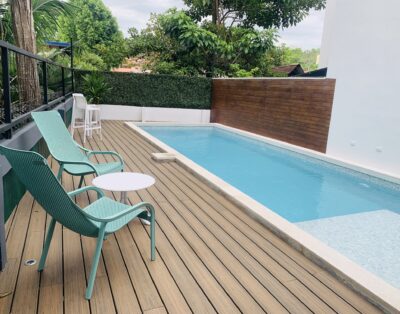
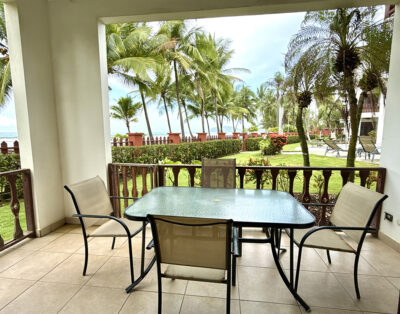
Lead with your strongest image. That might be the beachfront balcony, the pool framed by palms, the open living area with natural light, or the terrace with spectacular views. The first photo should instantly communicate why this stay is special.
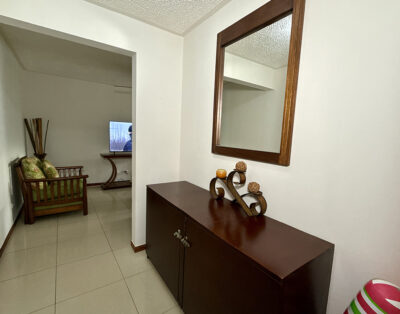
After that, think in sequence. Show the exterior, living space, kitchen, bedrooms, bathrooms, outdoor areas, and any standout features. If you have direct beach access, a sunset terrace, or a resort-style pool, make sure those details appear early. If your home is compact, avoid misleading wide-angle shots that create false expectations. Better photos attract the right guests. Misleading photos attract disappointed ones.
A quick phone snapshot might be enough to document a room, but it rarely helps sell one. If your property has strong earning potential, professional photography is usually worth it. It is one of the few upgrades that can improve both click-through rate and conversion at the same time.
Write a title and description that sound real
A strong listing title is specific. It should help travelers immediately understand what the property is and why they should care. Generic titles fade into the background. “Beachfront 2BR Condo with Pool in Jacó” works better than something broad and forgettable.
Your description should stay clear and natural. Open with what guests will love first, then support it with the details they need to book confidently. This is not the place for filler. Travelers want useful information delivered with energy.
Describe the experience honestly. If the home is a quiet escape near lush scenery, say that. If it is close to restaurants, surf spots, or family attractions, say that too. The goal is not to sound fancy. The goal is to help the right guest picture an unforgettable stay.
It also helps to mention who the property suits best. Families, couples, remote workers, and small groups all look for different advantages. A listing that feels tailored usually performs better than one that tries to appeal to everyone.
Price for momentum, not just for hope
Pricing can make or break a new listing. Set the rate too high and you may lose early bookings that help build traction. Set it too low and you leave money on the table or attract guests who are not the best fit.
The smart approach is to price against real competition. Look at similar homes in the same area with comparable size, condition, amenities, and location. A condo two blocks from the beach is not priced the same as true beachfront inventory. A luxury villa with private outdoor space is not competing with a basic apartment, even if both are in the same town.
Seasonality matters too. High-demand beach periods, holidays, long weekends, and school travel windows can support stronger rates. Slower periods may require more flexibility. Many owners do better when they think in terms of occupancy and total revenue rather than chasing a perfect nightly rate.
If your listing is new, a slightly more competitive opening price can help generate those first reservations and reviews. Once performance improves, pricing can be adjusted with more confidence.
Make your house rules and policies easy to understand
Guests are more comfortable booking when expectations are clear. They want to know check-in and check-out times, occupancy limits, pet rules, smoking rules, noise expectations, and anything else that could affect their stay.
This is one of the most overlooked parts of how to list vacation homes. Owners sometimes keep policies vague because they worry strict details will scare guests away. Usually the opposite happens. Clear rules reduce confusion and attract guests who are comfortable with your setup.
The same goes for fees and cancellation terms. Surprises late in the booking path can cause abandonment. Transparency helps serious guests move forward.
Keep the listing current after it goes live
Publishing the property is not the finish line. It is the starting point. The best-performing listings are actively managed.
That means updating availability, refreshing photos when the space improves, adjusting rates for demand, and improving the description when guests ask the same questions repeatedly. Every inquiry can teach you something. If guests keep asking whether the condo has parking or whether the villa includes pool service, the listing may need stronger wording.
Reviews also shape how your listing evolves. If travelers repeatedly praise the sunrise view, walkability, or responsive support, bring those strengths forward in the description. If they point out confusion around access or sleeping arrangements, fix that fast.
The platform you choose affects your margins
Not every marketplace supports owners in the same way. Some bring exposure but chip away at profit with higher fees. Others make the listing process harder than it needs to be. If you are serious about growing recurring rental income, the platform matters.
Look for a channel that makes it simple to register, upload photos, publish, manage reservations, and keep control of your business. Lower host fees can have a real impact, especially for owners with strong seasonal demand or multiple properties. Regional focus can matter too. A platform with real traction in Costa Rica beach markets, for example, may connect you with travelers who are already searching for that type of stay.
MICASAS is built for owners who want that balance – easy listing tools, lower fees, and a straightforward path from setup to reservation.
How to list vacation homes without creating more work
A good listing should not only help you get booked. It should help you operate better.
That means using clean property information, organized calendars, updated photos, and accurate guest messaging from the start. When your listing is clear, you spend less time answering repetitive questions and fixing preventable misunderstandings. That creates a better experience for both owners and travelers.
If you manage more than one property, consistency becomes even more important. Standardized photo quality, naming conventions, amenity lists, and policies make your portfolio easier to maintain. If you are a first-time host, simplicity is your advantage. You do not need a complicated system. You need a listing that is complete, credible, and easy to trust.
The goal is not perfection on day one. It is momentum. Publish a strong, accurate listing. Watch how guests respond. Improve what needs work. A vacation home with the right presentation can go from overlooked to in demand faster than most owners expect.
The best time to improve your listing is before a traveler ever asks a question, because the easier you make it to say yes, the easier it becomes to turn a beautiful property into a reliable income stream.